Skip to content
Menu
Menu

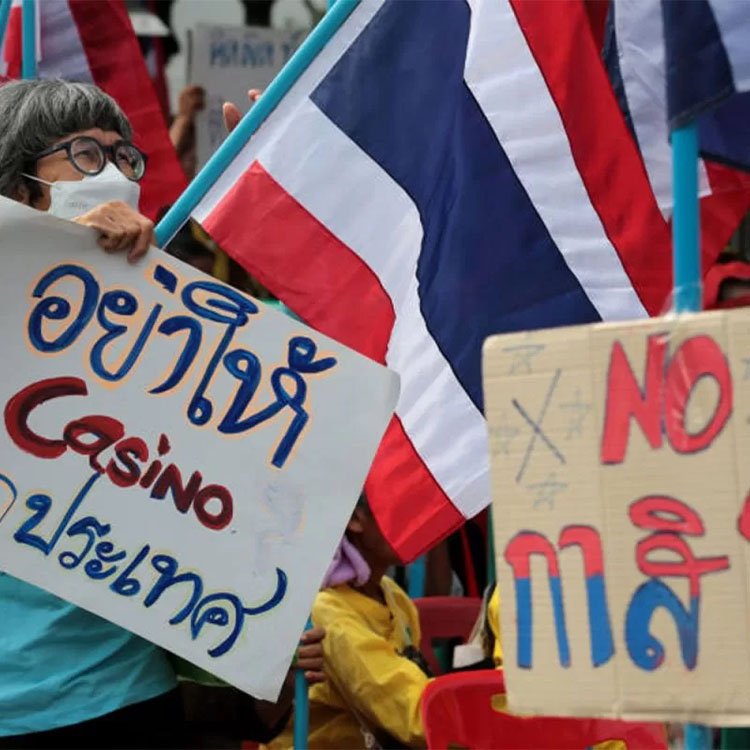
THAILAND – Finance Ministry pushes forward with casino legislation

Draft of Entertainment Complex Act expected to be presented to the Cabinet by the end of the year and deliberated in parliament early in 2025

Deputy Finance Minister Julapun Amornvivat told the media last week that the drafting of the Entertainment Complex Act is progressing as planned and should be submitted to the Cabinet for consideration by the end of this year. Once approved, the government will push the bill to Parliament for further deliberation during the regular session, which will reopen in mid-December 2024 and run through April next year.

Julapun, said: “This bill will be Thailand’s first law to legally establish comprehensive entertainment complexes, similar to those permitted in many countries around the world. The draft has recently undergone public hearings as required by the Constitution, with 82% of participants expressing support,” and then, added: “We believe the entertainment complex will support Thailand’s economic growth across various dimensions, from construction investments to becoming a tourist attraction that will create jobs for locals and employ many Thais. Training programmes will be provided to meet skill requirements.”

Attracting private sector investors was a strong possibility, Julapun also said, but said no official discussions had yet been held with any parties.

According to a study by the Fiscal Policy Office (FPO), the establishment of an entertainment complex in Thailand could attract an additional 5-20% foreign tourists, increasing average spending per tourist to 60,000 baht, up from the current 40,000 baht.

The draft bill stipulates a minimum registered capital of 10 billion baht (US$300 million) for such projects. Once the law is passed, a committee will be formed to review private sector proposals and determine the types of projects that best attract tourism.

The draft also allows Thai citizens to access casinos, with an entrance fee capped at 5,000 baht per visit. The project’s concession period will include a 30-year licence, renewable for another 10 years at a time, with the licence costing 5 billion baht and an annual fee of 1 billion baht.

Casinos would support Thailand’s economic strategy

Thailand is on the cusp of a significant economic transformation with the government’s proposal to legalize casinos, as part of a broader strategy to boost the nation’s economy by tapping into the global gaming market, which could potentially reshape Thailand’s economic landscape.

Reports state that Casino Legalization would boost tourism and economic growth. Legalizing casinos could increase tourism revenue by approximately US$12 billion, with investment opportunities expected to attract foreign investments, further enhancing the local economy and creating job opportunities.

The government aims to regulate the gambling industry, which includes proposals for casinos that would operate primarily for foreign tourists, and this initiative has received substantial support from the House of Representatives, with a majority voting in favour of integrating casinos within large entertainment complexes, aiming to generate more jobs and increase state revenue.

The potential economic impact of this proposal is significant. If the law is passed, Thailand’s casinos could generate 187 billion Thai baht (approximately US$5.5 billion), accounting for 1% of the country’s GDP. Moreover, the casino industry could create thousands of new jobs and boost average tourist spend by 52%, contributing to GDP growth.

23 November 2026

Subscribe to our newsletter

More
Related Posts

Categories

THAILAND – Finance Ministry pushes forward with casino legislation

Draft of Entertainment Complex Act expected to be presented to the Cabinet by the end of the year and deliberated in parliament early in 2025

Deputy Finance Minister Julapun Amornvivat told the media last week that the drafting of the Entertainment Complex Act is progressing as planned and should be submitted to the Cabinet for consideration by the end of this year. Once approved, the government will push the bill to Parliament for further deliberation during the regular session, which will reopen in mid-December 2024 and run through April next year.

Julapun, said: “This bill will be Thailand’s first law to legally establish comprehensive entertainment complexes, similar to those permitted in many countries around the world. The draft has recently undergone public hearings as required by the Constitution, with 82% of participants expressing support,” and then, added: “We believe the entertainment complex will support Thailand’s economic growth across various dimensions, from construction investments to becoming a tourist attraction that will create jobs for locals and employ many Thais. Training programmes will be provided to meet skill requirements.”

Attracting private sector investors was a strong possibility, Julapun also said, but said no official discussions had yet been held with any parties.

According to a study by the Fiscal Policy Office (FPO), the establishment of an entertainment complex in Thailand could attract an additional 5-20% foreign tourists, increasing average spending per tourist to 60,000 baht, up from the current 40,000 baht.

The draft bill stipulates a minimum registered capital of 10 billion baht (US$300 million) for such projects. Once the law is passed, a committee will be formed to review private sector proposals and determine the types of projects that best attract tourism.

The draft also allows Thai citizens to access casinos, with an entrance fee capped at 5,000 baht per visit. The project’s concession period will include a 30-year licence, renewable for another 10 years at a time, with the licence costing 5 billion baht and an annual fee of 1 billion baht.

Casinos would support Thailand’s economic strategy

Thailand is on the cusp of a significant economic transformation with the government’s proposal to legalize casinos, as part of a broader strategy to boost the nation’s economy by tapping into the global gaming market, which could potentially reshape Thailand’s economic landscape.

Reports state that Casino Legalization would boost tourism and economic growth. Legalizing casinos could increase tourism revenue by approximately US$12 billion, with investment opportunities expected to attract foreign investments, further enhancing the local economy and creating job opportunities.

The government aims to regulate the gambling industry, which includes proposals for casinos that would operate primarily for foreign tourists, and this initiative has received substantial support from the House of Representatives, with a majority voting in favour of integrating casinos within large entertainment complexes, aiming to generate more jobs and increase state revenue.

The potential economic impact of this proposal is significant. If the law is passed, Thailand’s casinos could generate 187 billion Thai baht (approximately US$5.5 billion), accounting for 1% of the country’s GDP. Moreover, the casino industry could create thousands of new jobs and boost average tourist spend by 52%, contributing to GDP growth.

LinkedIn
Share
Youtube
X (Twitter)