Skip to content
Menu
Menu

BRAZIL – Illegal betting share falls to 38%–44% in first half of 2026

The estimated range narrowed from 41%–51% in 2025, although unlicensed platforms still account for a substantial part of online betting activity

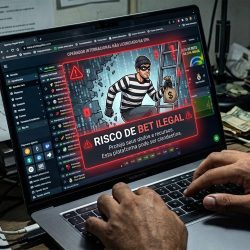
Brazil’s regulated operators appear to be gaining ground, but the scale of offshore activity remains a major concern for licensed businesses and policymakers. A new industry-backed study suggests enforcement is having an effect while showing that many bettors continue to use services outside the regulated market.

The study, “Sizing and Combating the Illegal Betting Market in Brazil”, was produced by LCA Consultores using data from Instituto Locomotiva. It was commissioned by the Brazilian Institute for Responsible Gaming (IBJR).

LCA estimates that illegal platforms accounted for between 38% and 44% of online betting activity during the first half of 2026. The comparable range in the previous study, released in June 2025, was between 41% and 51%.

The narrower range also indicates less uncertainty about the size of the unlicensed sector, according to the research.

Survey identifies continued use of unregulated services

Instituto Locomotiva surveyed 2,291 bettors across Brazil in May 2026. Respondents were asked about their activity during the previous three months.

Among those surveyed, 53% had used websites that did not require facial recognition, while 48% had placed bets through domains that did not end in .bet.br.

The research also found that 37% had deposited funds using credit cards and 23% had used cryptocurrencies. Neither payment method is permitted for federally regulated betting platforms.

These practices were used as indicators of possible interaction with the unlicensed market. However, the results do not necessarily establish that every wager reported by those respondents was placed illegally.

Carlos Lima, CEO of IBJR

“The figures show that regulation and the measures adopted by the Federal Government to combat illegal platforms are beginning to produce concrete results. The reduction is a positive sign of the consolidation of Brazil’s regulated market.”

Lima said enforcement should continue alongside a stable and predictable regulatory environment. He warned that imposing additional measures exclusively on authorised operators could create competitive imbalances and make unlicensed services more attractive.

Regulated market generates taxes and investment

Brazil’s federal regulated betting market began operating fully on 1 January 2025. Only authorised businesses can legally offer fixed-odds betting nationwide, subject to taxation, technical controls and player-protection requirements.

Government figures cited in the study show that regulated operators contributed R$9.95 billion in taxes and legally required allocations during 2025. The funds supported areas including sport, tourism, public security and education.

Authorised businesses were also required to pay R$30 million for each federal operating licence.

A separate study, “Overview of the Fixed-Odds Betting Market”, estimated that regulated operators invested approximately R$7.5 billion in share capital and supported around 15,500 direct and indirect jobs.

Eric Brasil, Director of Regulation and Public Policy at LCA Consultores

“The estimates indicate a relative reduction in the size of the illegal market and less uncertainty about its scale. At the same time, they reinforce the importance of continuing enforcement initiatives.”

Younger and lower-income bettors feature prominently

Among respondents considered able to access the illegal market, 51% were women and 49% were men. People aged between 18 and 29 represented the largest age group at 54%, while 51% reported earnings of up to two minimum wages.

Around 51% said they used only platforms displaying one or more of the practices associated with the informal market. Another 36% said these services received most of their bets, while 8% allocated about half of their activity to them. Six per cent said they used such platforms for the smallest part of their betting.

Renato Meirelles, President of Instituto Locomotiva

“The study reveals a slight reduction in illegal betting, but it remains at a high level. The positive aspect is the broad agreement that the country needs to take stronger action against the problem.”

The survey found that 77% of respondents fully or partly agreed that illegal platforms were more dangerous because they did not follow responsible gaming rules and standards. Thirteen per cent were neutral, while 10% partly or completely disagreed.

Identifying federally authorised betting platforms

Nationally authorised platforms use domains ending in .bet.br and appear on the Ministry of Finance’s official list of approved operators.

They must verify player identities, including through facial recognition, and prevent anyone under 18 from opening an account. Licensed platforms must also provide time and financial-limit tools, self-exclusion options and other player-protection controls.

Deposits and withdrawals are limited to approved methods connected to the registered account holder. Credit cards and cryptocurrencies cannot be accepted by federally regulated operators.

IBJR also operates BetAlert, where consumers can check whether a platform is authorised by the Federal Government.

24 August 2026

Subscribe to our newsletter

More
Related Posts

Categories

BRAZIL – Illegal betting share falls to 38%–44% in first half of 2026

The estimated range narrowed from 41%–51% in 2025, although unlicensed platforms still account for a substantial part of online betting activity

Brazil’s regulated operators appear to be gaining ground, but the scale of offshore activity remains a major concern for licensed businesses and policymakers. A new industry-backed study suggests enforcement is having an effect while showing that many bettors continue to use services outside the regulated market.

The study, “Sizing and Combating the Illegal Betting Market in Brazil”, was produced by LCA Consultores using data from Instituto Locomotiva. It was commissioned by the Brazilian Institute for Responsible Gaming (IBJR).

LCA estimates that illegal platforms accounted for between 38% and 44% of online betting activity during the first half of 2026. The comparable range in the previous study, released in June 2025, was between 41% and 51%.

The narrower range also indicates less uncertainty about the size of the unlicensed sector, according to the research.

Survey identifies continued use of unregulated services

Instituto Locomotiva surveyed 2,291 bettors across Brazil in May 2026. Respondents were asked about their activity during the previous three months.

Among those surveyed, 53% had used websites that did not require facial recognition, while 48% had placed bets through domains that did not end in .bet.br.

The research also found that 37% had deposited funds using credit cards and 23% had used cryptocurrencies. Neither payment method is permitted for federally regulated betting platforms.

These practices were used as indicators of possible interaction with the unlicensed market. However, the results do not necessarily establish that every wager reported by those respondents was placed illegally.

Carlos Lima, CEO of IBJR

“The figures show that regulation and the measures adopted by the Federal Government to combat illegal platforms are beginning to produce concrete results. The reduction is a positive sign of the consolidation of Brazil’s regulated market.”

Lima said enforcement should continue alongside a stable and predictable regulatory environment. He warned that imposing additional measures exclusively on authorised operators could create competitive imbalances and make unlicensed services more attractive.

Regulated market generates taxes and investment

Brazil’s federal regulated betting market began operating fully on 1 January 2025. Only authorised businesses can legally offer fixed-odds betting nationwide, subject to taxation, technical controls and player-protection requirements.

Government figures cited in the study show that regulated operators contributed R$9.95 billion in taxes and legally required allocations during 2025. The funds supported areas including sport, tourism, public security and education.

Authorised businesses were also required to pay R$30 million for each federal operating licence.

A separate study, “Overview of the Fixed-Odds Betting Market”, estimated that regulated operators invested approximately R$7.5 billion in share capital and supported around 15,500 direct and indirect jobs.

Eric Brasil, Director of Regulation and Public Policy at LCA Consultores

“The estimates indicate a relative reduction in the size of the illegal market and less uncertainty about its scale. At the same time, they reinforce the importance of continuing enforcement initiatives.”

Younger and lower-income bettors feature prominently

Among respondents considered able to access the illegal market, 51% were women and 49% were men. People aged between 18 and 29 represented the largest age group at 54%, while 51% reported earnings of up to two minimum wages.

Around 51% said they used only platforms displaying one or more of the practices associated with the informal market. Another 36% said these services received most of their bets, while 8% allocated about half of their activity to them. Six per cent said they used such platforms for the smallest part of their betting.

Renato Meirelles, President of Instituto Locomotiva

“The study reveals a slight reduction in illegal betting, but it remains at a high level. The positive aspect is the broad agreement that the country needs to take stronger action against the problem.”

The survey found that 77% of respondents fully or partly agreed that illegal platforms were more dangerous because they did not follow responsible gaming rules and standards. Thirteen per cent were neutral, while 10% partly or completely disagreed.

Identifying federally authorised betting platforms

Nationally authorised platforms use domains ending in .bet.br and appear on the Ministry of Finance’s official list of approved operators.

They must verify player identities, including through facial recognition, and prevent anyone under 18 from opening an account. Licensed platforms must also provide time and financial-limit tools, self-exclusion options and other player-protection controls.

Deposits and withdrawals are limited to approved methods connected to the registered account holder. Credit cards and cryptocurrencies cannot be accepted by federally regulated operators.

IBJR also operates BetAlert, where consumers can check whether a platform is authorised by the Federal Government.

LinkedIn
Share
Youtube
X (Twitter)