Skip to content
Menu
Menu

UK might blackout white labels

New gambling regulation findings aim at closing white label “loophole”

The warning about restrictions for online gaming and sports betting were evident since 2020, when the Gambling Commission was called to look for evidence of excessive marketing campaigns in findings to examine in detail how gambling has changed over the past 15 years.

Outlining, protections for online gamblers like stake and spend limits, advertising and promotional offers, was key to the Department for Digital, Culture, Media & Sport, in a brief to the Gaming Commission to address “extra protections for young adults are needed will all be explored,” adding, that the Government recognises the need to balance the enjoyment people get from gambling with the right regulatory framework and protections.

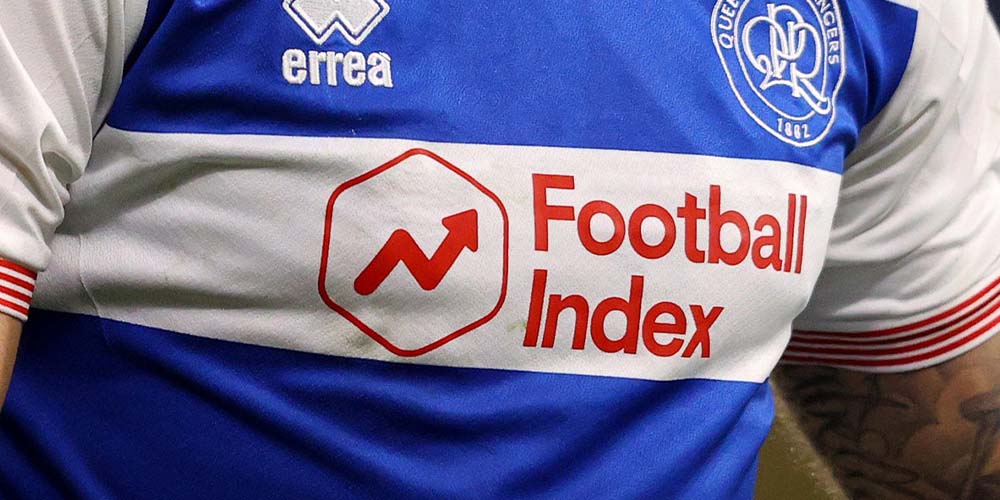
It’s not surprising, then, that ministers are examining the “loophole” that allows foreign betting firms to advertise on English and Scottish football teams’ shirts and pitch side hoardings, which are likely to be scrapped as part of Government plans to reduce gambling’s hold on the game.

A report in The Guardian daily states that “Ministers finalising a planned reform of gambling laws are expected to unveil their proposals within weeks, with an outright ban on betting company logos appearing on football shirts thought to be a strong possibility.”

Additionally, ministers are also considering going beyond shirt sponsorship by taking aim at the controversial “white label” system used by overseas betting companies, chiefly from Asian countries such as China and Thailand, to strike lucrative sponsorship deals in English and Scottish football.

The “white label” firms, often based in jurisdictions such as the Isle of Man or Malta, effectively rent their licences to overseas brands, which can then market themselves via shirts and pitch side hoardings to fans in countries where gambling is illegal and cannot be advertised. The regime has raised concerns about the lack of transparency over who owns the companies displayed on the shirts of football clubs and how those companies operate.

After the fiasco of Football Betindex, UK lawmakers are under pressure to make telling changes to the Gambling Act 2005, when they update gaming legislation in the country, and the consensus is that it would be improbable if the white label system survives.

Ministers’ findings will be used to inform any changes to the Gambling Act 2005 to ensure customer protection is at the heart of the regulations, while giving those that gamble safely the freedom to do so. The review will also look at evidence on the action customers can take where they feel operators have breached social responsibility requirements, such as intervening to protect customers showing clear signs of problematic play, and how to ensure children and young people are kept safe from gambling-related harm.

24 November 2026

Subscribe to our newsletter

More
Related Posts

Categories

UK might blackout white labels

New gambling regulation findings aim at closing white label “loophole”

The warning about restrictions for online gaming and sports betting were evident since 2020, when the Gambling Commission was called to look for evidence of excessive marketing campaigns in findings to examine in detail how gambling has changed over the past 15 years.

Outlining, protections for online gamblers like stake and spend limits, advertising and promotional offers, was key to the Department for Digital, Culture, Media & Sport, in a brief to the Gaming Commission to address “extra protections for young adults are needed will all be explored,” adding, that the Government recognises the need to balance the enjoyment people get from gambling with the right regulatory framework and protections.

It’s not surprising, then, that ministers are examining the “loophole” that allows foreign betting firms to advertise on English and Scottish football teams’ shirts and pitch side hoardings, which are likely to be scrapped as part of Government plans to reduce gambling’s hold on the game.

A report in The Guardian daily states that “Ministers finalising a planned reform of gambling laws are expected to unveil their proposals within weeks, with an outright ban on betting company logos appearing on football shirts thought to be a strong possibility.”

Additionally, ministers are also considering going beyond shirt sponsorship by taking aim at the controversial “white label” system used by overseas betting companies, chiefly from Asian countries such as China and Thailand, to strike lucrative sponsorship deals in English and Scottish football.

The “white label” firms, often based in jurisdictions such as the Isle of Man or Malta, effectively rent their licences to overseas brands, which can then market themselves via shirts and pitch side hoardings to fans in countries where gambling is illegal and cannot be advertised. The regime has raised concerns about the lack of transparency over who owns the companies displayed on the shirts of football clubs and how those companies operate.

After the fiasco of Football Betindex, UK lawmakers are under pressure to make telling changes to the Gambling Act 2005, when they update gaming legislation in the country, and the consensus is that it would be improbable if the white label system survives.

Ministers’ findings will be used to inform any changes to the Gambling Act 2005 to ensure customer protection is at the heart of the regulations, while giving those that gamble safely the freedom to do so. The review will also look at evidence on the action customers can take where they feel operators have breached social responsibility requirements, such as intervening to protect customers showing clear signs of problematic play, and how to ensure children and young people are kept safe from gambling-related harm.

LinkedIn
Share
Youtube
X (Twitter)