Skip to content
Menu
Menu

BRAZIL – Treasury notifies Rio Loterj on prohibition of sports betting ops

The federal government is concerned that companies accredited in Rio de Janeiro operate throughout Brazil because Rio’s values and tax are lower than those of the national government

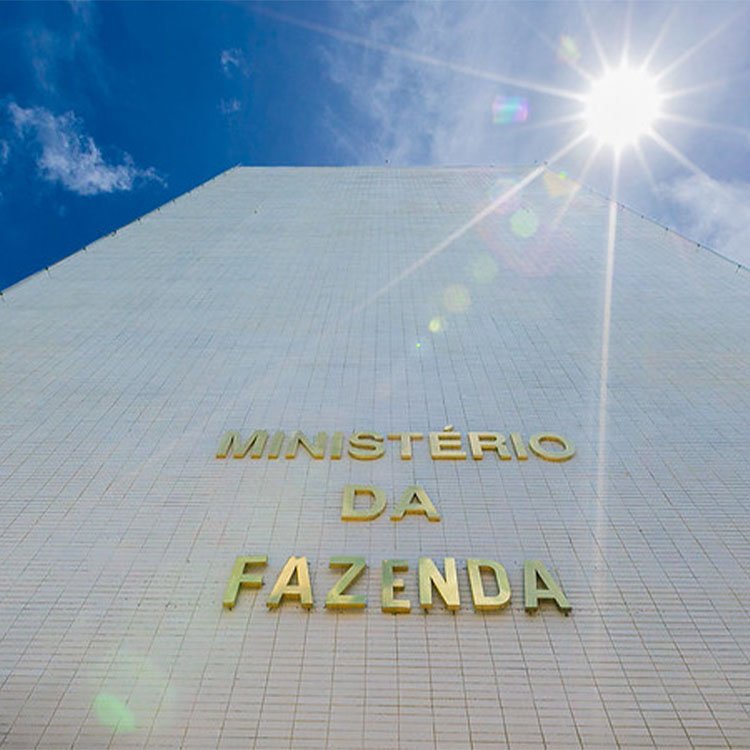
It has not taken long for Brazil’s Ministry of Finance to notify Loterj (Rio de Janeiro State Lottery) to stop the accreditation of online sportsbooks, also called “bets” in the country, in their current form, because if it continues in this way, all the arduous legislative work in Brazil would go down the drain with a tower of babel of sports betting businesses and online casinos in each one of the states in the country.

Globo News, Brasilia, has reported that the Ministry of Finance maintains that the Rio State government, through Loterj, is accrediting betting businesses without establishing regulations for companies to operate only in the territory of Rio de Janeiro. In practice, says the Treasury, betting businesses are accredited in Rio but can operate throughout the national territory, which is prohibited by federal legislation approved for the country.

In 2020, the Federal Supreme Court (STF) authorized states and municipalities gaming operations, but respecting the boundaries of their respective state territories.

‘Haggling’

Rio de Janeiro’s “haggling” with federal legislation worries Brazil’s economic team, and the assessment is that, if the practice continues, there will be a fiscal war in the country around the accreditation of bookmakers. In addition, there is a risk of dismantling the regulation drafted by the federal government and approved by Congress.

Another point of concern is the drop in revenue, since Rio de Janeiro has set up the cost of licences at R$ 5 million for each company, while in the federal government the cost of the license has been set at R$ 30 million.

In addition, taxes in the sector are collected by the state government, and not by the federal government, i.e. the national government. The rate provided by Loterj for sports betting is 5% on companies gross receipts (GGR), compared to the 18% levy that will be charged by the Federal Revenue Service, when bookies begin operations in the country.

According to Globo News, experts who closely follow this problem have stated that the Ministry of Finance negotiated the issues with Loterj to close any legal gap, but there was no agreement, and as a result the decision was made to formally notify Loterj on the illegal nature of the business.

So far, more than 130 companies have expressed interest in operating in Brazil, and the economic team says that notices for federal accreditation of such companies is going through final adjustments before publication.

The federal government expects to collect up to R$ 10 billion annually from the operation of bookmakers, which also includes virtual casinos.

Appeal to the Supreme Court

Sources from the Ministry of Finance assure that, if Loterj does not comply with the requests from the Sports Betting Secretary, the entity will appeal to the Supreme Federal Court of the nation.

To date, the Rio de Janeiro lottery has four accredited businesses and another three in the qualification process. The 30-day deadline given by Loterj for more companies to apply for accreditation ends on April 4.

Paraná State Lottery (Lottopar) was also upset by Lotterj’s stance and has gone to court. Lottopar has begun a public civil action that is taking place in a Rio State Court questioning the criteria used by the Rio lottery company for the accreditation of bookies.

In a public statement, Lottopar stated that the goal is to preserve the betting market in the country. For the Paraná lottery, “the player would be able to place bets anywhere in Brazil and it will always be considered as if it were in the territory of the State of Rio de Janeiro.”

According to Loterj, the sale of its products, within the scope of an accreditation for the operation of a public service via the Internet, does not exceed the territorial limit of competence of the state, which was legitimized and confirmed by the STF.

“The bettor, as an essential condition of any consumer’s end business, must declare that he accepts and agrees with the fact that the bet is placed, for all intents and purposes, in the State of Rio de Janeiro,” the Lottery added in a note.

Loterj also reported that it keeps dialogue with all spheres of public and private sector, in addition to control and prosecutorial bodies, within the strength of a federal and democratic environment. “In this context, we inform you that we have received the Official Letter from the Ministry of Finance, which will be analysed and replied to accordingly,” Loterj said in conclusion.

24 November 2026

Subscribe to our newsletter

More
Related Posts

Categories

BRAZIL – Treasury notifies Rio Loterj on prohibition of sports betting ops

The federal government is concerned that companies accredited in Rio de Janeiro operate throughout Brazil because Rio’s values and tax are lower than those of the national government

It has not taken long for Brazil’s Ministry of Finance to notify Loterj (Rio de Janeiro State Lottery) to stop the accreditation of online sportsbooks, also called “bets” in the country, in their current form, because if it continues in this way, all the arduous legislative work in Brazil would go down the drain with a tower of babel of sports betting businesses and online casinos in each one of the states in the country.

Globo News, Brasilia, has reported that the Ministry of Finance maintains that the Rio State government, through Loterj, is accrediting betting businesses without establishing regulations for companies to operate only in the territory of Rio de Janeiro. In practice, says the Treasury, betting businesses are accredited in Rio but can operate throughout the national territory, which is prohibited by federal legislation approved for the country.

In 2020, the Federal Supreme Court (STF) authorized states and municipalities gaming operations, but respecting the boundaries of their respective state territories.

‘Haggling’

Rio de Janeiro’s “haggling” with federal legislation worries Brazil’s economic team, and the assessment is that, if the practice continues, there will be a fiscal war in the country around the accreditation of bookmakers. In addition, there is a risk of dismantling the regulation drafted by the federal government and approved by Congress.

Another point of concern is the drop in revenue, since Rio de Janeiro has set up the cost of licences at R$ 5 million for each company, while in the federal government the cost of the license has been set at R$ 30 million.

In addition, taxes in the sector are collected by the state government, and not by the federal government, i.e. the national government. The rate provided by Loterj for sports betting is 5% on companies gross receipts (GGR), compared to the 18% levy that will be charged by the Federal Revenue Service, when bookies begin operations in the country.

According to Globo News, experts who closely follow this problem have stated that the Ministry of Finance negotiated the issues with Loterj to close any legal gap, but there was no agreement, and as a result the decision was made to formally notify Loterj on the illegal nature of the business.

So far, more than 130 companies have expressed interest in operating in Brazil, and the economic team says that notices for federal accreditation of such companies is going through final adjustments before publication.

The federal government expects to collect up to R$ 10 billion annually from the operation of bookmakers, which also includes virtual casinos.

Appeal to the Supreme Court

Sources from the Ministry of Finance assure that, if Loterj does not comply with the requests from the Sports Betting Secretary, the entity will appeal to the Supreme Federal Court of the nation.

To date, the Rio de Janeiro lottery has four accredited businesses and another three in the qualification process. The 30-day deadline given by Loterj for more companies to apply for accreditation ends on April 4.

Paraná State Lottery (Lottopar) was also upset by Lotterj’s stance and has gone to court. Lottopar has begun a public civil action that is taking place in a Rio State Court questioning the criteria used by the Rio lottery company for the accreditation of bookies.

In a public statement, Lottopar stated that the goal is to preserve the betting market in the country. For the Paraná lottery, “the player would be able to place bets anywhere in Brazil and it will always be considered as if it were in the territory of the State of Rio de Janeiro.”

According to Loterj, the sale of its products, within the scope of an accreditation for the operation of a public service via the Internet, does not exceed the territorial limit of competence of the state, which was legitimized and confirmed by the STF.

“The bettor, as an essential condition of any consumer’s end business, must declare that he accepts and agrees with the fact that the bet is placed, for all intents and purposes, in the State of Rio de Janeiro,” the Lottery added in a note.

Loterj also reported that it keeps dialogue with all spheres of public and private sector, in addition to control and prosecutorial bodies, within the strength of a federal and democratic environment. “In this context, we inform you that we have received the Official Letter from the Ministry of Finance, which will be analysed and replied to accordingly,” Loterj said in conclusion.

LinkedIn
Share
Youtube
X (Twitter)