Skip to content
Menu
Menu

BRAZIL – Senate debates casinos and bingo halls Bill

Legalization would generate investments of US$12 billion plus yearly revenues exceeding US$13 billion for the country 

The Senate’s thematic debate in the Plenary, yesterday, on the bill that regulates gambling and betting throughout Brazil was marked by disagreement among the participants. While representatives of the government and the tourism and events industry, in addition to the Senator proposing the Bill, defended approval of the proposed Bill with the argument of generating employment and revenue for the country, other senators and specialists warned about risks in the activity such as being used by organized crime with money laundering and aggravating problem gambling and addiction.
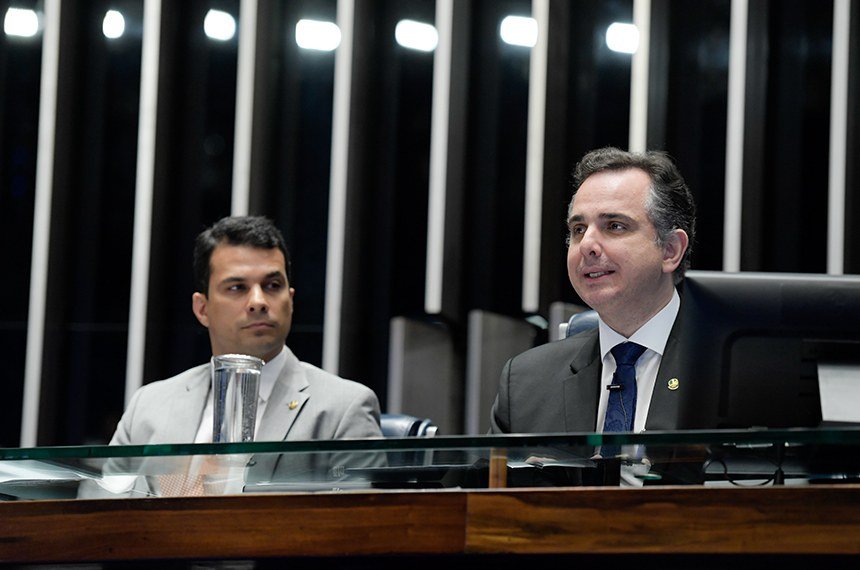
Senators Iraja and Pacheco

In the opinion of the Senate President, Rodrigo Pacheco, the Bill (PL 2.234/2022) is broad and complex. On the one hand, it seeks to regulate activities that have been illegal for more than 30 years to generate income for the State; on the other hand, it raises legitimate concerns in society in relation to gambling addiction and its consequences on the mental and financial health of the population, Pacheco said, for him, the Senate must analyze all facets of the proposal taking into account the impact of the Bill on Brazilian society.

The Bill, which was proposed first in the House of Representatives in 1991 and has been pending debate in the Senate since March 2022, provides for the creation of two taxes based on the authorization of the operation of casinos, bingo halls, illegal lottery jogo do bicho and horse racing betting in Brazil. The proceeds from tax revenues to be shared by the states, the Federal District, the municipalities, the Brazilian Agency for the International Promotion of Tourism (Embratur), and also the provision of funds for sports and culture.

Senator Iraja, proponent of Bill PL 2.234/2022, stated that countries that have already regulated gambling and betting have grown socially and economically after the decision. In his opinion, it is strategic and necessary to seek to place the country on the world’s tourist route, “saying no to illegal and clandestine gambling” and imposing limits, rules and inspection.

“If we look at G20, which are the countries of the 20 largest economies in the world, in which Brazil is the eighth largest economy today, only Indonesia and Brazil have not yet legalized gambling and betting. Even Saudi Arabia, which is a Muslim country, has done so now, recently, a country with almost absolute restrictions. The sale of alcoholic beverages is not even allowed in Saudi Arabia, to give you an idea, and they have also regulated responsible gambling and betting,” Irajá added.

Today, Brazil receives around 6 million foreign tourists a year, lagging Latin American countries such as Argentina, which receives 7.4 million tourists a year. Proponents of gambling legalization argue that Brazilian tourism would gain a major boost.

According to the National Secretary of Infrastructure, Credit and Investments of the Ministry of Tourism, Carlos Henrique Sobral, there is an huge expectation, if the proposal becomes law, saying that Brazil will generate more than 650 thousand jobs with the activity and have an increase of R$ 74 billion (US$13,400 million) in tax revenues.

“We are going to have investments of R$ 66 billion (US$12,000 million), more than a 1,000% increase in investment. And our 8% GDP will reach 9.2%, or perhaps double digits, which is our target. The trend is that destinations with integrated resorts, they achieve economic development, such as the emblematic Las Vegas, Macau and Singapore, which have casinos.

Gambling addiction

Other participants in the debate were against legalization. For Senator Eduardo Girão, the issue is harmful to society because it “completely devastates” the values and principles of the population, describing as a fallacy the expectations of growth of tourism with the authorization of gambling activity, and cited research carried out in the United States, by Professor Earl Grinols, which indicates that for every U$ 1 taxed by gambling,  the State spent U$ 3 on the social consequences generated by the authorization of gambling.

Girao also cited a Datafolha survey that shows that the beneficiaries of the Bolsa Familia program already allocate around R$100 to betting in sports bets, the so-called “bets”, already authorized and regulated in Brazil. For the senator, the bill will further stimulate gambling addiction, compromising the mental and financial health of Brazilians.

Senator Damares Alves and Pastor Silas Malafaia expressed the same concern, also warning of the risk of criminal factions and bookmakers using resources generated through illegal and criminal activities to “launder money” in regulated activity, and citing the lack of inspection and control structure in Brazil.

Progress and control

Senator Irajá reported that in the preparation of the proposes bill, gambling addiction and criminality were taken into account. With this in mind, the project establishes that betting will only be made through payment using the Pix system or debit card. In addition, the bill has rules to prevent bank loans for this purpose. And on the issue of tax evasion and money laundering, the Iraja clarified that the betting method will be subject to audit through a digital account, without permission for cash payments.

“In order to participate in a casino, you must open a digital account using your CPF (Individual Taxpayer Registry); the possibility of opening an account with a CNPJ (National Registry of Legal Entities) is not even considered. All the bets you place, the betting activity, and any winnings you might receive will also be processed through this individual’s digital account. Therefore, the entire process is subject to oversight, as it has a traceable record and can be inspected by regulatory bodies such as the Federal Revenue Service, the Federal Police, and any other agencies that wish to establish a transparent relationship with what is happening in this financial movement,” explained Senator Irajá.

The specialist in gambling and betting regulation, Leonardo Henrique Benites de Prado, said that gambling addiction is a serious problem, to which special care must be paid, but stressed that the gambling industry itself has been concerned with helping the State to propose a serious regulation, concerned about legal certainty and the protection of the professional.

“The problem of gambling addiction affects a small part of society, and we cannot restrict the freedom of the vast majority because we will have a problem with the minority. About 12.5% of people who consume alcohol are alcoholics. This number is many times higher in relation to compulsive gambling,” added Benites del Prado.

Regulation

On this issue, psychiatrist and professor at the University of São Paulo, Hermano Tavares, who has been studying the subject for 25 years, said that gambling impacts the central nervous system, causing dependence in the bettor, in the same way as the consumption of alcohol, cocaine and marijuana. He also reported that, in Brazil, 2.5% of the population already suffers difficulties related to betting or has suffered them at some point in their lives, and criticized the fact that the legalization of the activity takes precedence over regulation, as happened with sports betting.

“Gambling, online sports betting, and also online casino betting, the tiger, the horse, everything you’re already hearing in the press. Very well, for this it is necessary that we have the provision of effective regulations. What’s wrong? We are putting the cart before the horse. We are legalizing it and leaving it to be regulated later,” Tavares added.

The Secretary of Awards and Betting (Premios y Apuestas) of the Ministry of Finance, Régis Dudena, supported the Bill which ensures responsible and technical regulation, based on data and evidence and in a timely manner so that the activity does not develop without effective regulations, as initially happened with the activity of sports betting.

“We have general economic issues that must be taken into account, such as taking care in attracting popular savings. Here there are still specific precautions related to the sector and especially in its interaction with other economic sectors, especially with the National Financial System. I mention, for example, the care taken in the provisions to combat money laundering, and above all there are social issues that must be addressed with care to the public and the environment where gambling will take place,” Dudena said.

Other participants, such as the president of the Brazilian Association of the Hotel Industry (ABIH), Manoel Cardoso Linhares, and the manager of Government Relations of the Brazilian Association of Event Promoters (Abrape), Lucas Gabriel Barbosa, praised the adjustments already made to the PL text. One of them is the amendment proposed by Senator Irajá that expands the possibilities of installing casinos and bingo halls in the country’s current hotel structures, as long as they are adapted for this purpose.

In the original text, casinos would have to operate in integrated leisure complexes or ships built specifically for this purpose, which would prevent the Brazilian hotel sector from being able to participate in future integrated resort concessions to be implemented in Brazil, if the project becomes law.

Courtesy: Original text by Agência Senado/Photos: Saulo Cruz

24 November 2026

Subscribe to our newsletter

More
Related Posts

Categories

BRAZIL – Senate debates casinos and bingo halls Bill

Legalization would generate investments of US$12 billion plus yearly revenues exceeding US$13 billion for the country 

The Senate’s thematic debate in the Plenary, yesterday, on the bill that regulates gambling and betting throughout Brazil was marked by disagreement among the participants. While representatives of the government and the tourism and events industry, in addition to the Senator proposing the Bill, defended approval of the proposed Bill with the argument of generating employment and revenue for the country, other senators and specialists warned about risks in the activity such as being used by organized crime with money laundering and aggravating problem gambling and addiction.

Senators Iraja and Pacheco

In the opinion of the Senate President, Rodrigo Pacheco, the Bill (PL 2.234/2022) is broad and complex. On the one hand, it seeks to regulate activities that have been illegal for more than 30 years to generate income for the State; on the other hand, it raises legitimate concerns in society in relation to gambling addiction and its consequences on the mental and financial health of the population, Pacheco said, for him, the Senate must analyze all facets of the proposal taking into account the impact of the Bill on Brazilian society.

The Bill, which was proposed first in the House of Representatives in 1991 and has been pending debate in the Senate since March 2022, provides for the creation of two taxes based on the authorization of the operation of casinos, bingo halls, illegal lottery jogo do bicho and horse racing betting in Brazil. The proceeds from tax revenues to be shared by the states, the Federal District, the municipalities, the Brazilian Agency for the International Promotion of Tourism (Embratur), and also the provision of funds for sports and culture.

Senator Iraja, proponent of Bill PL 2.234/2022, stated that countries that have already regulated gambling and betting have grown socially and economically after the decision. In his opinion, it is strategic and necessary to seek to place the country on the world’s tourist route, “saying no to illegal and clandestine gambling” and imposing limits, rules and inspection.

“If we look at G20, which are the countries of the 20 largest economies in the world, in which Brazil is the eighth largest economy today, only Indonesia and Brazil have not yet legalized gambling and betting. Even Saudi Arabia, which is a Muslim country, has done so now, recently, a country with almost absolute restrictions. The sale of alcoholic beverages is not even allowed in Saudi Arabia, to give you an idea, and they have also regulated responsible gambling and betting,” Irajá added.

Today, Brazil receives around 6 million foreign tourists a year, lagging Latin American countries such as Argentina, which receives 7.4 million tourists a year. Proponents of gambling legalization argue that Brazilian tourism would gain a major boost.

According to the National Secretary of Infrastructure, Credit and Investments of the Ministry of Tourism, Carlos Henrique Sobral, there is an huge expectation, if the proposal becomes law, saying that Brazil will generate more than 650 thousand jobs with the activity and have an increase of R$ 74 billion (US$13,400 million) in tax revenues.

“We are going to have investments of R$ 66 billion (US$12,000 million), more than a 1,000% increase in investment. And our 8% GDP will reach 9.2%, or perhaps double digits, which is our target. The trend is that destinations with integrated resorts, they achieve economic development, such as the emblematic Las Vegas, Macau and Singapore, which have casinos.

Gambling addiction

Other participants in the debate were against legalization. For Senator Eduardo Girão, the issue is harmful to society because it “completely devastates” the values and principles of the population, describing as a fallacy the expectations of growth of tourism with the authorization of gambling activity, and cited research carried out in the United States, by Professor Earl Grinols, which indicates that for every U$ 1 taxed by gambling,  the State spent U$ 3 on the social consequences generated by the authorization of gambling.

Girao also cited a Datafolha survey that shows that the beneficiaries of the Bolsa Familia program already allocate around R$100 to betting in sports bets, the so-called “bets”, already authorized and regulated in Brazil. For the senator, the bill will further stimulate gambling addiction, compromising the mental and financial health of Brazilians.

Senator Damares Alves and Pastor Silas Malafaia expressed the same concern, also warning of the risk of criminal factions and bookmakers using resources generated through illegal and criminal activities to “launder money” in regulated activity, and citing the lack of inspection and control structure in Brazil.

Progress and control

Senator Irajá reported that in the preparation of the proposes bill, gambling addiction and criminality were taken into account. With this in mind, the project establishes that betting will only be made through payment using the Pix system or debit card. In addition, the bill has rules to prevent bank loans for this purpose. And on the issue of tax evasion and money laundering, the Iraja clarified that the betting method will be subject to audit through a digital account, without permission for cash payments.

“In order to participate in a casino, you must open a digital account using your CPF (Individual Taxpayer Registry); the possibility of opening an account with a CNPJ (National Registry of Legal Entities) is not even considered. All the bets you place, the betting activity, and any winnings you might receive will also be processed through this individual’s digital account. Therefore, the entire process is subject to oversight, as it has a traceable record and can be inspected by regulatory bodies such as the Federal Revenue Service, the Federal Police, and any other agencies that wish to establish a transparent relationship with what is happening in this financial movement,” explained Senator Irajá.

The specialist in gambling and betting regulation, Leonardo Henrique Benites de Prado, said that gambling addiction is a serious problem, to which special care must be paid, but stressed that the gambling industry itself has been concerned with helping the State to propose a serious regulation, concerned about legal certainty and the protection of the professional.

“The problem of gambling addiction affects a small part of society, and we cannot restrict the freedom of the vast majority because we will have a problem with the minority. About 12.5% of people who consume alcohol are alcoholics. This number is many times higher in relation to compulsive gambling,” added Benites del Prado.

Regulation

On this issue, psychiatrist and professor at the University of São Paulo, Hermano Tavares, who has been studying the subject for 25 years, said that gambling impacts the central nervous system, causing dependence in the bettor, in the same way as the consumption of alcohol, cocaine and marijuana. He also reported that, in Brazil, 2.5% of the population already suffers difficulties related to betting or has suffered them at some point in their lives, and criticized the fact that the legalization of the activity takes precedence over regulation, as happened with sports betting.

“Gambling, online sports betting, and also online casino betting, the tiger, the horse, everything you’re already hearing in the press. Very well, for this it is necessary that we have the provision of effective regulations. What’s wrong? We are putting the cart before the horse. We are legalizing it and leaving it to be regulated later,” Tavares added.

The Secretary of Awards and Betting (Premios y Apuestas) of the Ministry of Finance, Régis Dudena, supported the Bill which ensures responsible and technical regulation, based on data and evidence and in a timely manner so that the activity does not develop without effective regulations, as initially happened with the activity of sports betting.

“We have general economic issues that must be taken into account, such as taking care in attracting popular savings. Here there are still specific precautions related to the sector and especially in its interaction with other economic sectors, especially with the National Financial System. I mention, for example, the care taken in the provisions to combat money laundering, and above all there are social issues that must be addressed with care to the public and the environment where gambling will take place,” Dudena said.

Other participants, such as the president of the Brazilian Association of the Hotel Industry (ABIH), Manoel Cardoso Linhares, and the manager of Government Relations of the Brazilian Association of Event Promoters (Abrape), Lucas Gabriel Barbosa, praised the adjustments already made to the PL text. One of them is the amendment proposed by Senator Irajá that expands the possibilities of installing casinos and bingo halls in the country’s current hotel structures, as long as they are adapted for this purpose.

In the original text, casinos would have to operate in integrated leisure complexes or ships built specifically for this purpose, which would prevent the Brazilian hotel sector from being able to participate in future integrated resort concessions to be implemented in Brazil, if the project becomes law.

Courtesy: Original text by Agência Senado/Photos: Saulo Cruz

LinkedIn
Share
Youtube
X (Twitter)




