Skip to content
Menu
Menu

Brazil considers retroactive Tax Collection on Sports Betting Operators

Brazil may impose retroactive taxes on 135 betting operators, potentially raising US$ 2.3 billion under new guidelines

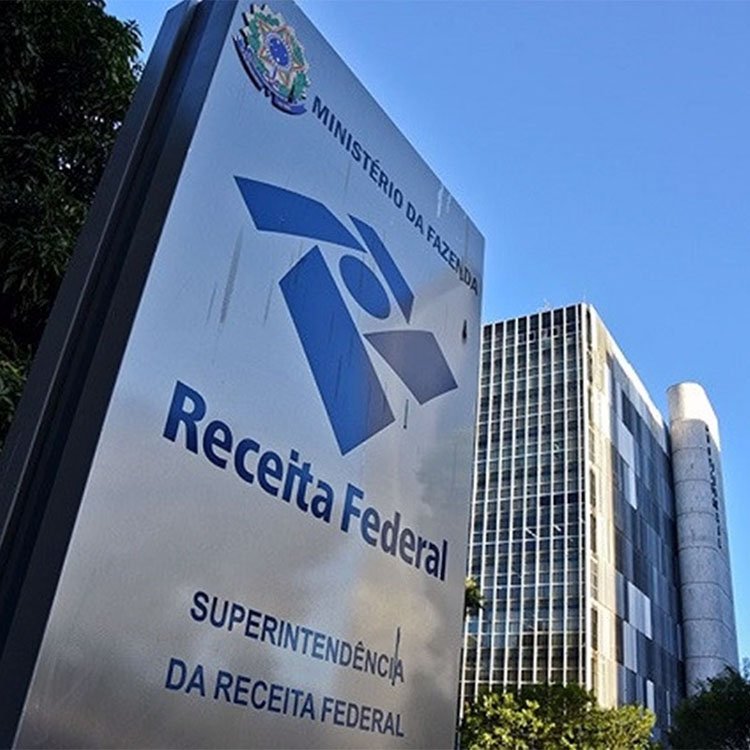
Brazil’s federal government is examining the possibility of retroactively taxing sports betting operators — known locally as “Bets” — for revenues earned before the market’s regulation in January 2024. The proposal is being reviewed by a working group comprised of the Federal Revenue Service (RF) and the Secretariat of Prizes and Betting (SPA) within the Ministry of Finance.

According to Brazilian news outlet Metrópoles, the estimated tax revenue under the retroactive guidelines could total R$ 12.6 billion (approximately US$ 2.3 billion). Officials note that any collection would likely be made in installments rather than a lump sum.

A total of 135 licensed sports betting companies currently operate in Brazil. These operators would be subject to back taxes for activity conducted prior to the introduction of the regulated sports betting framework in January 2024. In April 2024, the government began applying a 12% Gross Gaming Revenue (GGR) tax to the sector.

The Ministry of Finance confirmed the existence of the working group, stating that RF and SPA tax specialists are “analysing the issue, and the results will support the Federal Revenue Service’s action regarding potential retroactive collection.” The RF’s Annual Inspection Report for 2025 includes sports betting as a “structuring” item, with plans to “evaluate measures to ensure compliance at sustainable levels of the sports betting market, considering the difference between operators authorized by the regulators and those operating outside the legislation.”

In March 2025, Finance Secretary Robinson Barreirinhas addressed the Senate, stating that operators active in Brazil before regulation should pay taxes on prior revenues if their presence and profits can be proven. “If there was a material presence here in Brazil and there were profits, you have to pay income tax; if there were receipts, PIS-Cofins must be paid,” Barreirinhas told Senator Soraya Thronicke.

24 November 2026

Subscribe to our newsletter

More
Related Posts

Categories

Brazil considers retroactive Tax Collection on Sports Betting Operators

Brazil may impose retroactive taxes on 135 betting operators, potentially raising US$ 2.3 billion under new guidelines

Brazil’s federal government is examining the possibility of retroactively taxing sports betting operators — known locally as “Bets” — for revenues earned before the market’s regulation in January 2024. The proposal is being reviewed by a working group comprised of the Federal Revenue Service (RF) and the Secretariat of Prizes and Betting (SPA) within the Ministry of Finance.

According to Brazilian news outlet Metrópoles, the estimated tax revenue under the retroactive guidelines could total R$ 12.6 billion (approximately US$ 2.3 billion). Officials note that any collection would likely be made in installments rather than a lump sum.

A total of 135 licensed sports betting companies currently operate in Brazil. These operators would be subject to back taxes for activity conducted prior to the introduction of the regulated sports betting framework in January 2024. In April 2024, the government began applying a 12% Gross Gaming Revenue (GGR) tax to the sector.

The Ministry of Finance confirmed the existence of the working group, stating that RF and SPA tax specialists are “analysing the issue, and the results will support the Federal Revenue Service’s action regarding potential retroactive collection.” The RF’s Annual Inspection Report for 2025 includes sports betting as a “structuring” item, with plans to “evaluate measures to ensure compliance at sustainable levels of the sports betting market, considering the difference between operators authorized by the regulators and those operating outside the legislation.”

In March 2025, Finance Secretary Robinson Barreirinhas addressed the Senate, stating that operators active in Brazil before regulation should pay taxes on prior revenues if their presence and profits can be proven. “If there was a material presence here in Brazil and there were profits, you have to pay income tax; if there were receipts, PIS-Cofins must be paid,” Barreirinhas told Senator Soraya Thronicke.

LinkedIn
Share
Youtube
X (Twitter)