


The main objectives of the initiative are to generate a competitive online market while considering the existence of other forms of legal gambling
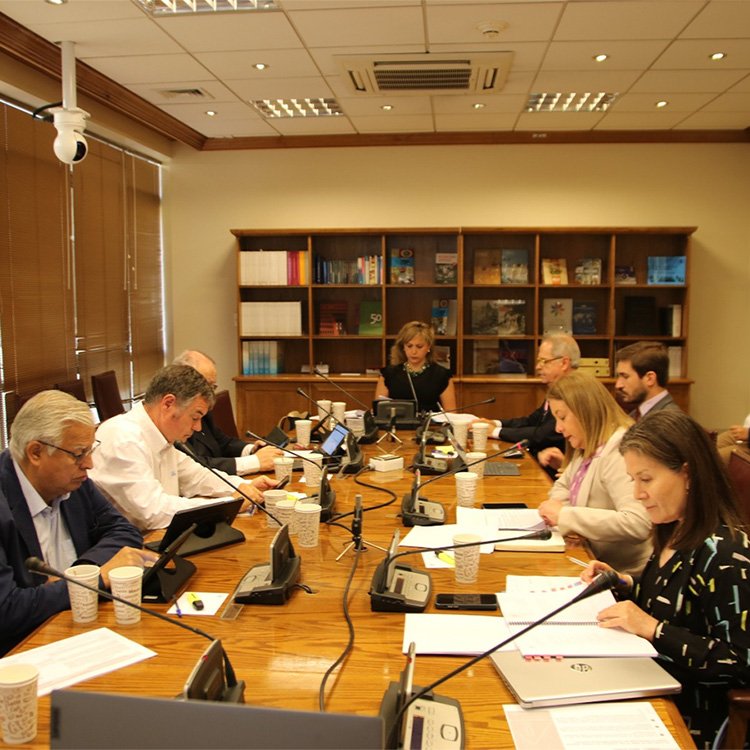
On January 17, 2024, the Undersecretary of Finance, Heidi Berner, along with the Superintendent of Casino Games, Vivien Villagrán, presented to the Senate’s Economy Commission, the bill regulating the development of online betting platforms. The bill had previously been approved in its initial stage by the Chamber of Deputies in December. The main objectives of this initiative are to create a competitive market considering the existence of other legal forms of gambling (Lottery draws, Polla/Lottery numbers, and thoroughbred horse racing); safeguard public trust; protect the health and safety of players; as well as transparently disclose the origins and destination of the resources obtained from this activity and contribute to fiscal revenue.
The authority explained that the legal framework approved by the Chamber of Deputies establishes a semi-open market, where, similar to land based casinos, operators must meet formal requirements such as incorporated in closed corporations in Chile, with an exclusive purpose, a minimum capital of 2,000 UTM (US$60,000), and a maximum of 10 shareholders, who must identify their beneficiaries.
The regulatory design includes the issuance of administrative authorization and balances incentives for regularization with severe penalties for those who remain illegal, granting new powers to the Superintendent of Casino Games, the Financial Market Commission (CMF), the Internal Revenue Service (SII), the Undersecretariat of Telecommunications, and the Financial Analysis Unit (UAF). It was noted that, since platforms must provide remote access to their systems, both the Superintendent of Casino Games and the SII can effectively exercise oversight.
The law would come into effect on the first day of the month following its publication in the Official Gazette, providing the administration with tools to combat illegal gambling. From that date, online gaming platforms that have not operated in Chile in the previous 12 months can apply for temporary licenses. Rules regarding general license applications for betting on unique events would take effect once the regulations are issued, which must be done within six months of the law’s publication.
Platforms obtaining a temporary operating license must pay the annual operating fee, in addition to their obligations with the acquisition of a general license and without prejudice to the application of other taxes and levies established in this law. The Superintendent must implement and manage a registry containing authorized online betting platforms to operate under this transitional article.
Companies operating physical casinos can apply for licenses for online gaming platforms by creating a single-purpose company and meeting the requirements of this law.
Combating Illegal Gambling
This project addresses the lack of effective tools to combat illegal gambling that has led to the current situation, where, according to information from the Superintendent of Casinos and Games, over 900 betting platforms operate outside the law in Chile, despite strict regulations against illegal gambling.
Furthermore, offenses are classified to ensure the effectiveness of criminal prosecution, covering actions such as operating unauthorized platforms, promoting or participating in the advertising of an unauthorized platform, opening accounts using false information or breaching security mechanisms, using others’ accounts or facilitating one’s own to third parties, altering or modifying a betting object, affecting randomness, or obstructing oversight by providing false information.
Sport Protection
New sources of financing for sports are created, as authorized platforms must pay an annual tax of 2% of gross revenues on sports betting objects in favor of the National Institute of Sports (IND). The IND will distribute these funds as follows: one-third to sports federations that meet certain requirements of Law No. 19,712 on Sports, distributed equally among them; one-third to the Olympic Committee, and one-third to the Paralympic Committee.
In the case of Polla, 22% of the gross revenues from its Xperto sports forecasting system will go to the IND on the same terms mentioned earlier. Currently, 15% goes to the fiscal coffers, and only 12% goes to the IND. This reduces its total tax burden from 27% to 22%.
Additionally, a prohibition on betting is introduced for those with an impact on the outcome: players, athletes, federation or organization presidents, boards, organizers, coaches, representatives, among others.
Tax Regime
The proposed tax system for online betting platforms is based on the current regime for physical casino games. This activity will be subject to VAT as it is a digital entertainment service, allowing operators to recover tax credits for goods they acquire and services they contract. Similar to casino games, a specific tax of 20% will be applied to them, aiming to correct externalities, in line with comparative experience. To promote responsible gambling, the specific tax rate is increased by 1%, with the possibility of deducting expenses incurred for this purpose.









