Skip to content
Menu
Menu

US Supreme Court rules for tribes over Texas on gambling on their land

The Tiguas of El Paso and the Alabama-Coushatta Tribe of Texas can run casinos

The U.S. Supreme Court sided with two Native American tribes in Texas in a ruling Wednesday that reaffirmed their autonomy to regulate non-prohibited gaming on their lands and strengthened tribal sovereignty in the state. The ruling doesn’t expand the kinds of games tribes can offer on their lands but reaffirms their autonomy to regulate gambling activities that aren’t prohibited in Texas, regardless of the state’s rules.

The justices came to a 5-4 ruling. The nation’s highest court stated that the Ysleta del Sur Pueblo tribe near El Paso, also known as the Tiguas, and the Alabama-Coushatta Tribe of Texas, north of Houston, have the autonomy to regulate electronic bingo games on their lands, regardless of the state’s rules on non-prohibited gambling. In other words, if the game isn’t outright prohibited and criminalized in the state, ​​Texas can’t impose its regulations on the tribes’ games.
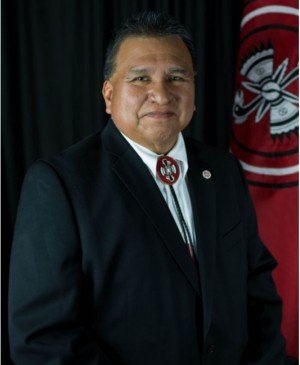
Ricky Sylestine – chair of the Alabama-Coushatta Tribe of Texas’ Tribal Council

“The Court’s decision is an affirmation of Tribal sovereignty and a victory for the Texas economy,” Ricky Sylestine, chair of the Alabama-Coushatta Tribe of Texas’ Tribal Council, said in a statement. “The highest Court in the land has made clear that our Tribe has the right to legally operate electronic bingo on our reservation, just as we have the past six years.”

But in the majority opinion, Justice Neil M. Gorsuch emphasized that Wednesday’s ruling doesn’t mean Native American tribes can offer any games they choose in their lands. The case now returns to the 5th U.S. Circuit Court of Appeals for further deliberation.

“None of this is to say that the Tribe may offer gaming on whatever terms it wishes. The Restoration Act provides that a gaming activity prohibited by Texas law is also prohibited on tribal land as a matter of federal law,” Gorsuch wrote. “Other gaming activities are subject to tribal regulation and must conform to the terms and conditions set forth in federal law.”

Texas has some of the strictest gambling laws in the country. The Tiguas have battled the state in courts for decades over expanding gambling on their land. Texas has repeatedly blocked efforts in federal court.

Ben Kappelman, a partner at international law firm Dorsey & Whitney who handles cases involving federal American Indian law issues, said Wednesday’s ruling is a win for the tribes but doesn’t mean tribal games will be totally unregulated.

“This is a significant victory for the Ysleta del Sur Pueblo Indian Tribe after decades of losses in the lower court,” Kappelmann said. “Still, the Supreme Court’s decision will hardly leave the Pueblos’ gaming unregulated. They will simply join the large number of tribes whose gaming ventures are regulated by the National Indian Gaming Commission.”

In a company statement issued in support of the US Supreme Court ruling, AGS CEO David Lopez, said: “After an extremely long process in the judicial system, I would like to congratulate our Native American business partners and friends on their well-deserved win. This ruling makes it possible for these sovereign Tribes to gain economic freedom and confirms their rights as federally recognized Tribes. AGS stands by our Tribal operator partners as they look to exercise their rights and wish them success in current and future ventures as sovereign Tribes in the State of Texas. We are proud to support all our Native American partners throughout the country, and, in particular, these Tribes that have fought so hard and so long in pursuit of their economic freedom.”

24 November 2026

Subscribe to our newsletter

More
Related Posts

Categories

US Supreme Court rules for tribes over Texas on gambling on their land

The Tiguas of El Paso and the Alabama-Coushatta Tribe of Texas can run casinos

The U.S. Supreme Court sided with two Native American tribes in Texas in a ruling Wednesday that reaffirmed their autonomy to regulate non-prohibited gaming on their lands and strengthened tribal sovereignty in the state. The ruling doesn’t expand the kinds of games tribes can offer on their lands but reaffirms their autonomy to regulate gambling activities that aren’t prohibited in Texas, regardless of the state’s rules.

The justices came to a 5-4 ruling. The nation’s highest court stated that the Ysleta del Sur Pueblo tribe near El Paso, also known as the Tiguas, and the Alabama-Coushatta Tribe of Texas, north of Houston, have the autonomy to regulate electronic bingo games on their lands, regardless of the state’s rules on non-prohibited gambling. In other words, if the game isn’t outright prohibited and criminalized in the state, ​​Texas can’t impose its regulations on the tribes’ games.

Ricky Sylestine – chair of the Alabama-Coushatta Tribe of Texas’ Tribal Council

“The Court’s decision is an affirmation of Tribal sovereignty and a victory for the Texas economy,” Ricky Sylestine, chair of the Alabama-Coushatta Tribe of Texas’ Tribal Council, said in a statement. “The highest Court in the land has made clear that our Tribe has the right to legally operate electronic bingo on our reservation, just as we have the past six years.”

But in the majority opinion, Justice Neil M. Gorsuch emphasized that Wednesday’s ruling doesn’t mean Native American tribes can offer any games they choose in their lands. The case now returns to the 5th U.S. Circuit Court of Appeals for further deliberation.

“None of this is to say that the Tribe may offer gaming on whatever terms it wishes. The Restoration Act provides that a gaming activity prohibited by Texas law is also prohibited on tribal land as a matter of federal law,” Gorsuch wrote. “Other gaming activities are subject to tribal regulation and must conform to the terms and conditions set forth in federal law.”

Texas has some of the strictest gambling laws in the country. The Tiguas have battled the state in courts for decades over expanding gambling on their land. Texas has repeatedly blocked efforts in federal court.

Ben Kappelman, a partner at international law firm Dorsey & Whitney who handles cases involving federal American Indian law issues, said Wednesday’s ruling is a win for the tribes but doesn’t mean tribal games will be totally unregulated.

“This is a significant victory for the Ysleta del Sur Pueblo Indian Tribe after decades of losses in the lower court,” Kappelmann said. “Still, the Supreme Court’s decision will hardly leave the Pueblos’ gaming unregulated. They will simply join the large number of tribes whose gaming ventures are regulated by the National Indian Gaming Commission.”

In a company statement issued in support of the US Supreme Court ruling, AGS CEO David Lopez, said: “After an extremely long process in the judicial system, I would like to congratulate our Native American business partners and friends on their well-deserved win. This ruling makes it possible for these sovereign Tribes to gain economic freedom and confirms their rights as federally recognized Tribes. AGS stands by our Tribal operator partners as they look to exercise their rights and wish them success in current and future ventures as sovereign Tribes in the State of Texas. We are proud to support all our Native American partners throughout the country, and, in particular, these Tribes that have fought so hard and so long in pursuit of their economic freedom.”

LinkedIn
Share
Youtube
X (Twitter)