Obsolete gambling law dating back to 1947 is contradictory in its essence
Representative Erik Morales Elvira, of ruling Morena party, has proposed reforms to current gaming law, Ley Federal de Juegos y Sorteos, setting up points aiming to regulate overall gambling, whether land-based or virtual and including sports betting, which currently generates some US$423 million annually in Mexico.
According to Rep Morales, the Ministry of the Interior (Segob) should be empowered to authorize and regulate all types of gambling for all events that are held in national or international territories, specifically empowering Segob to regulate sporting events “where quantifiable prizes in money are gambled, in accordance with the provisions of regulations of this law and other applicable regulations.”
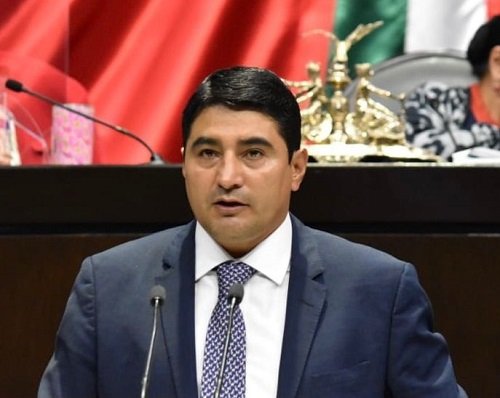
Rep. Morales also suggests that violations of the law are calculated under taxation, which is under periodical updating; and that closure of premises where gambling takes place without authorization from Segob should also be imposed on internet sites.
In the reading of the document, presented by Rep. Morales, current gambling legislation is outside the context of national and international considerations on the matter of regulations, especially given the prohibitionist nature prevailing in its statures.
As an obsolete piece of legislation dating back to 1947, in its first article the gambling law states that all gambling and betting games are prohibited throughout the national territory. However, this generic prohibition is not correct, as the second article refers to a catalogue of games that may be allowed under the law, and that games not specified in this article shall be considered prohibited (sic) for the purposes of this law.
Rep. Morales adds that the obligation of the State must fall on the regulation of those games as well as gambling draws, emphasizing that the prohibition of some gambling games must be rethought because prohibition may bring limitations to other acts with freedoms already recognized.
According to estimates by local gaming industry operators and suppliers in Mexico, sports betting has become a growing industry and currently generates 8,430 million pesos annually (US$423 million), predominantly generated through internet sites.
In addition, according to sports betting specialists, current projections for Mexico indicate that the gambling industry will grow between 25 percent and 30 percent annually for the next six or seven years, mainly through Internet gambling, which runs most of such betting.
The Morena Representative explains that, owing to the uncertainty caused by obsolete gambling legislation, there are very few internet casinos that have an official license granted by the Mexican authorities. “A large number of international casinos mounted on digital platforms do have the permits to operate and make sizeable profits. Therefore, the gambling industry in Mexico is lagging significantly, and this means that its impact cannot be reflected in the economy of our country.”
Rep. Morales’ initiative has been sent to the Interior and Population Commission with suggested changes and reforms to the current gambling law, without mentioning that a new law is needed to include casino operations, which are prohibited by the 1947 law but which operate in Mexico under permissible allocation.