Dominican senators lowered the proposed annual lottery shop tax from RD$120,000 to RD$85,000 under the fiscal package
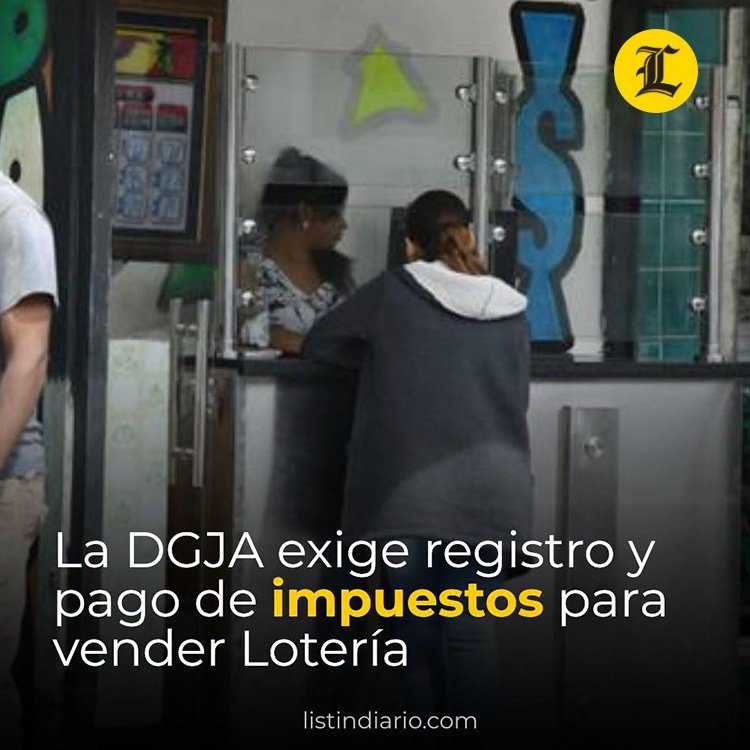
Tax changes affecting lottery and betting shops have become one of the most politically sensitive parts of the Dominican Republic’s new fiscal package, with the Senate’s amendments reducing the expected contribution from lottery shops while also adjusting the tax treatment of prize winnings. The measure comes within the broader “anticrisis” plan promoted by the Government to increase revenue, simplify taxation and mitigate international economic pressures.
The Senate of the Dominican Republic introduced changes to the fiscal reform bill that ease the tax burden on lottery shop owners, reducing the single annual tax proposed by the Executive Branch from RD$120,000 to RD$85,000. The modification was reported by El Nuevo Diario, citing the changes introduced during the legislative process.
The fiscal package, formally presented as the Law on Pro-Growth Economic Measures, Fiscal Simplification and Mitigation of the International Crisis, was approved urgently by the Senate with amendments and in two consecutive readings. The Senate said the initiative, submitted by the Executive Branch, seeks to promote national economic dynamism, improve the investment environment and strengthen the efficiency and equity of the tax system.
The process followed the Government’s presentation of the “anticrisis” plan, which included measures such as a temporary increase in corporate income tax for large taxpayers, the gradual elimination of several taxes described as outdated, and provisions aimed at supporting economic activity. The Ministry of Finance and Economy said the plan was designed as a strategy to generate additional income while also incorporating pro-growth and fiscal simplification measures.
The reduction from RD$120,000 to RD$85,000 represents a cut of RD$35,000 per lottery shop. Based on the 30,931 lottery shops registered up to the Government’s regularisation process, the State would stop receiving around RD$1.08 billion. That figure could rise to approximately RD$3.27 billion, or around US$52 million, if the 62,605 additional shops later incorporated into the project without objections are included, according to figures cited from Diario Libre.
The Senate also modified the tax applicable to prizes obtained from lotteries, lotos, fracatanes and other games of chance. While the original proposal established a 25% withholding on all taxable winnings, the approved version applies that rate only to prizes above RD$600,001. Winnings between RD$200,001 and RD$600,000 will instead be taxed at 15%, reducing the burden for thousands of winners. Listín Diario reported that the Senate’s changes included a 15% tax on prizes or winnings within that lower taxable band, 10 percentage points below the original proposal.
The amendments have also raised scrutiny over the participation of legislators linked to the sports betting and lottery shop business in the review of the proposal. The bicameral commission that analysed the reform included several congressmen who are, or have been, owners of betting shops.
Among the senators named was Eduard Espiritusanto Castillo, representative for La Romana and owner of Consorcio de Bancas Eduar, whose name appears in the commission records, although he did not sign the document. In the Chamber of Deputies, Sergio Moya, who has been linked to Merengue Sport, participated and signed the minutes of the meetings that reviewed the initiative.
Deputies Juan Carlos Milané, Orlando Martínez Peña and Alexander Javier Cuevas, also linked to the lottery shop business, voted in favour of the bill. Their participation adds a governance dimension to the tax debate, as the changes affect a sector with significant fiscal relevance and a large national footprint.
The broader gambling taxation discussion follows earlier reporting that the Government’s fiscal proposal included substantial increases for casinos and betting shops, with some gaming-related taxes set to double or nearly triple under the anticrisis package. In parallel, the Executive Branch has been moving to reactivate the national regularisation plan for lottery shops and other gaming operators, with the DGII given a strengthened role in tax compliance verification, provisional incorporation into the fiscal regime and support for oversight processes.
Image: 2026-El Nuevo Diario