Skip to content
Menu
Menu

BiS SiGMA brings together experts to discuss the integration of land-based and digital casinos.

Ortiz stated that digital casino products do not replace land-based casinos but are an operations’ complement  

BiS SiGMA hosted a panel discussion on the integration between land-based casinos and digital platforms within the Brazilian regulatory context. The event brought together industry experts to discuss technology, regulation, and consumer behaviour. Leonardo Henrique Benites, Founding Director of ANCASSINOS, moderated the debate, which included the participation of Luiz Felipe Maia (Maia Yoshiyasu). law firm), Bryan Ortiz (Zitro Digital Brasil), Fernando Mora (Sportradar Brazil), Marco Pequeno (Amusnet) and Jordi Sendra (ALEA).

Legal and political landscape

Luiz Felipe Maia, partner at Maia Yoshiyasu law firm addressed the Supreme Federal Court’s judgment on RE 966177. The case deals with the decriminalization of gambling. Maia stated that a “dry” decision from the Supreme Court could generate social chaos.

The lawyer advocated for a modulation that would act as a trigger for the Legislature to move forward with Bill 2234. According to Maia, the Legislature holds the final say on laws. The expert stated that the industry’s movement should focus on demonstrating responsibility and transparency to overcome political resistance. Maia also highlighted that Brazil has a significant potential market, with estimates that the land-based casino sector could generate between R$ 15 billion and R$ 20 billion in annual revenue, in addition to creating approximately 200 direct and indirect jobs.
Integration between physical and digital environments

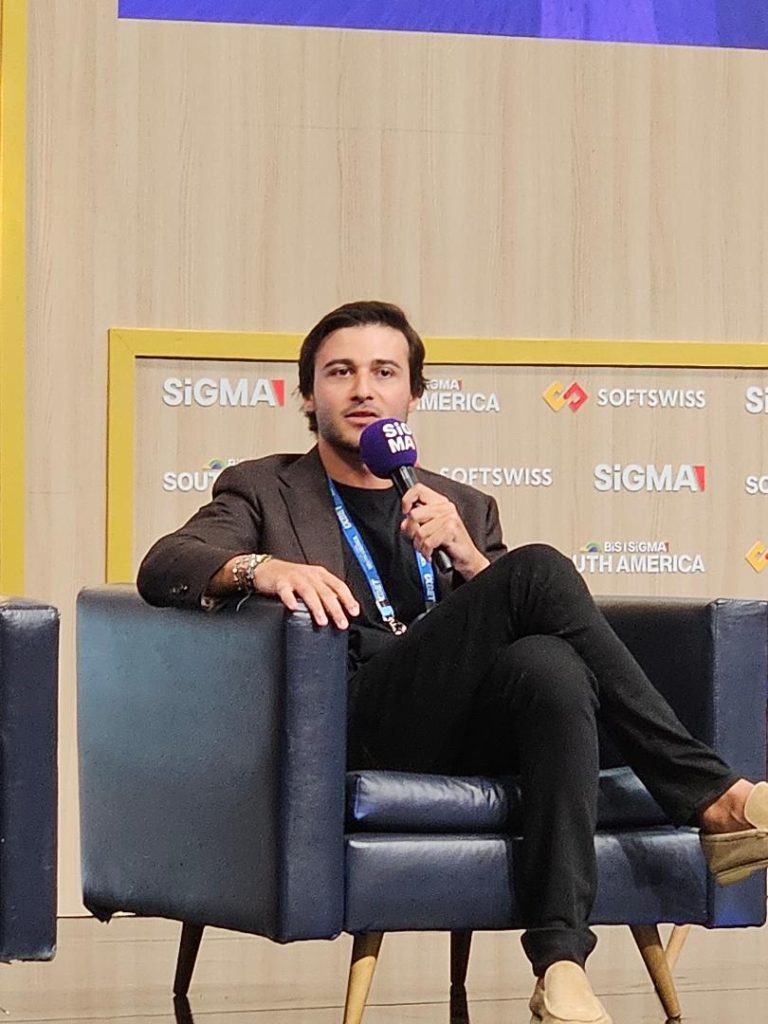
Bryan Ortiz, Director of Zitro Digital Brazil, presented the perspective that digital does not replace physical, but complements it. The executive materialized the concept of omnichannel as a model for integrating the two environments, emphasizing that the player experience should be fluid and consistent, regardless of the platform used.

Ortiz highlighted the benefits of Bill 2234. The bill provides for a system cashlessRegistration via CPF (Brazilian taxpayer ID) and direct connection with the government. These mechanisms would make tax evasion and money laundering more difficult. The director argued that regulation should be seen as a tool for control and security. According to Ortiz, the integration between physical and digital platforms allows operators to collect valuable data on player behavior, enabling the personalization of offers and the creation of more effective loyalty programs.

Fernando Mora, Business Development Executive at Sportradar Brazil, discussed adapting the culture of sports bars to the Brazilian market. Mora suggested that physical casinos can act as meeting points for communities already formed in the digital environment. The executive emphasized that the in-person experience offers elements that the digital world cannot fully replicate, such as the social atmosphere and collective emotion of live events.

Market strategies and differentiation

Marco Pequeno, Country Manager at Amusnet, addressed the “orientalization” of games in the Brazilian market. The executive argued that the issue is secondary compared to the need for creativity and strategic positioning.

Pequeno highlighted that, in a commoditized market, success depends on partnerships with operators and presence in advertising channels. The manager stated that the differentiating factor goes beyond simply offering games. Competitiveness in the sector demands approaches that transcend the product itself. Pequeno emphasized that constant innovation in game mechanics and adaptation to local preferences are fundamental to winning over and maintaining the Brazilian player base.

Challenges of transitioning between platforms

Jordi Sendra, from ALEA, brought an international perspective on the complexities of migrating from online For the physicist. The expert warned that operators should not underestimate the differences between the two environments.

Sendra explained that the player experience in a physical casino involves triggers, music, and social interactions distinct from the 24/7 digital environment. The representative recommended that companies focus on the user experience. Sendra suggested using third-party providers to ensure a successful transition between the environments. online and physical. The expert also warned about the importance of investments in robust technological infrastructure and in training teams to operate in both environments in an integrated way.

Outlook for the sector

The panel highlighted that Brazil faces legislative challenges in regulating the sector. Participants indicated that the industry is preparing for an integrated model. The discussion covered aspects of oversight, consumer protection, taxation, and licensing.

Experts highlighted that the integrated model must be aligned with the preferences of the Brazilian player. The debate pointed to the convergence between physical and digital as a way to offer a safer and more transparent market. The panel also addressed innovation and tourism opportunities related to the development of the casino sector in the country, emphasizing the potential to transform Brazilian cities into integrated tourist destinations, combining entertainment, hospitality, and events.

Participants agreed that proper regulation, coupled with technological integration between physical and digital platforms, can position Brazil as a regional leader in the gaming sector, generating significant economic benefits and ensuring consumer protection through effective responsible gaming mechanisms.

24 November 2026

Subscribe to our newsletter

More
Related Posts

Categories

BiS SiGMA brings together experts to discuss the integration of land-based and digital casinos.

Ortiz stated that digital casino products do not replace land-based casinos but are an operations’ complement  

BiS SiGMA hosted a panel discussion on the integration between land-based casinos and digital platforms within the Brazilian regulatory context. The event brought together industry experts to discuss technology, regulation, and consumer behaviour. Leonardo Henrique Benites, Founding Director of ANCASSINOS, moderated the debate, which included the participation of Luiz Felipe Maia (Maia Yoshiyasu). law firm), Bryan Ortiz (Zitro Digital Brasil), Fernando Mora (Sportradar Brazil), Marco Pequeno (Amusnet) and Jordi Sendra (ALEA).

Legal and political landscape

Luiz Felipe Maia, partner at Maia Yoshiyasu law firm addressed the Supreme Federal Court’s judgment on RE 966177. The case deals with the decriminalization of gambling. Maia stated that a “dry” decision from the Supreme Court could generate social chaos.

The lawyer advocated for a modulation that would act as a trigger for the Legislature to move forward with Bill 2234. According to Maia, the Legislature holds the final say on laws. The expert stated that the industry’s movement should focus on demonstrating responsibility and transparency to overcome political resistance. Maia also highlighted that Brazil has a significant potential market, with estimates that the land-based casino sector could generate between R$ 15 billion and R$ 20 billion in annual revenue, in addition to creating approximately 200 direct and indirect jobs.

Integration between physical and digital environments

Bryan Ortiz, Director of Zitro Digital Brazil, presented the perspective that digital does not replace physical, but complements it. The executive materialized the concept of omnichannel as a model for integrating the two environments, emphasizing that the player experience should be fluid and consistent, regardless of the platform used.

Ortiz highlighted the benefits of Bill 2234. The bill provides for a system cashlessRegistration via CPF (Brazilian taxpayer ID) and direct connection with the government. These mechanisms would make tax evasion and money laundering more difficult. The director argued that regulation should be seen as a tool for control and security. According to Ortiz, the integration between physical and digital platforms allows operators to collect valuable data on player behavior, enabling the personalization of offers and the creation of more effective loyalty programs.

Fernando Mora, Business Development Executive at Sportradar Brazil, discussed adapting the culture of sports bars to the Brazilian market. Mora suggested that physical casinos can act as meeting points for communities already formed in the digital environment. The executive emphasized that the in-person experience offers elements that the digital world cannot fully replicate, such as the social atmosphere and collective emotion of live events.

Market strategies and differentiation

Marco Pequeno, Country Manager at Amusnet, addressed the “orientalization” of games in the Brazilian market. The executive argued that the issue is secondary compared to the need for creativity and strategic positioning.

Pequeno highlighted that, in a commoditized market, success depends on partnerships with operators and presence in advertising channels. The manager stated that the differentiating factor goes beyond simply offering games. Competitiveness in the sector demands approaches that transcend the product itself. Pequeno emphasized that constant innovation in game mechanics and adaptation to local preferences are fundamental to winning over and maintaining the Brazilian player base.

Challenges of transitioning between platforms

Jordi Sendra, from ALEA, brought an international perspective on the complexities of migrating from online For the physicist. The expert warned that operators should not underestimate the differences between the two environments.

Sendra explained that the player experience in a physical casino involves triggers, music, and social interactions distinct from the 24/7 digital environment. The representative recommended that companies focus on the user experience. Sendra suggested using third-party providers to ensure a successful transition between the environments. online and physical. The expert also warned about the importance of investments in robust technological infrastructure and in training teams to operate in both environments in an integrated way.

Outlook for the sector

The panel highlighted that Brazil faces legislative challenges in regulating the sector. Participants indicated that the industry is preparing for an integrated model. The discussion covered aspects of oversight, consumer protection, taxation, and licensing.

Experts highlighted that the integrated model must be aligned with the preferences of the Brazilian player. The debate pointed to the convergence between physical and digital as a way to offer a safer and more transparent market. The panel also addressed innovation and tourism opportunities related to the development of the casino sector in the country, emphasizing the potential to transform Brazilian cities into integrated tourist destinations, combining entertainment, hospitality, and events.

Participants agreed that proper regulation, coupled with technological integration between physical and digital platforms, can position Brazil as a regional leader in the gaming sector, generating significant economic benefits and ensuring consumer protection through effective responsible gaming mechanisms.

LinkedIn
Share
Youtube
X (Twitter)