


Brazil may be losing up to US$2bn a year to illegal online betting as officials and industry dispute the true size of the black market
Brazil’s government may be losing between US$1.3bn and US$2bn a year to illegal online betting, according to figures presented during a congressional discussion that exposed a widening gap between official estimates and industry assessments of the country’s unlicensed market.
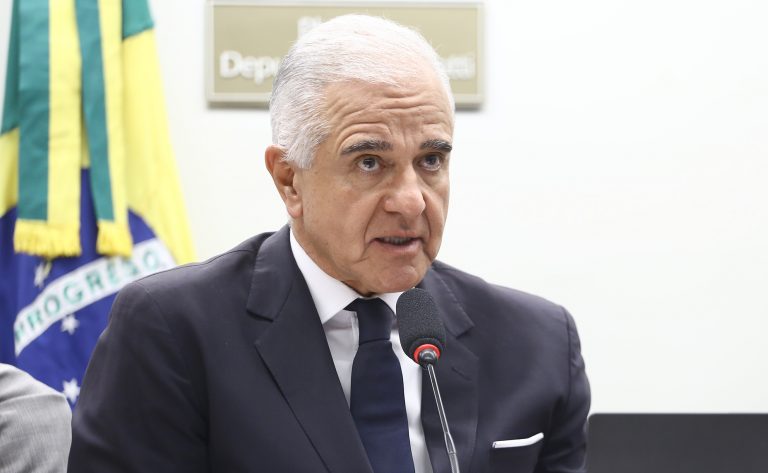
The issue was raised during a session held on Tuesday, 24 March, by the External Commission on Acts of Piracy and the Brazil Legal agenda, where congressman Julio Lopes sharply criticised the discrepancy between figures cited by the government and those presented by betting sector representatives regarding the legality of the online betting market.
While Leandro Lucchesi, General Coordinator of Regulation at the Secretariat of Prizes and Betting (SPA) of the Ministry of Finance, referred to estimates suggesting that up to 70% of betting activity may already be part of the legal market, industry associations argued that illegal operators still account for roughly half of the sector.
In response, Leandro Lucchesi clarified that the secretariat does not officially validate the figures cited, as they come from private consultancies. He said: “The SPA does not, in fact, endorse any of these indicators. The SPA is signing a technical cooperation agreement with Ipea [Institute for Applied Economic Research] to include this indicator, among others.”
Lucchesi added that the work plan should be signed in 2026.
For her part, Letícia Ferraz, executive director of the Human Rights and New Technologies Laboratory (LabSul), presented data on the economic losses associated with the betting sector. She said the legal market generated BRL37bn (US$7.03bn) in 2025 and produced BRL9.9bn (US$1.88bn) in tax revenues linked to public policies, while the illegal market is estimated to move between BRL26bn and BRL40bn (US$5bn to US$8bn) annually.
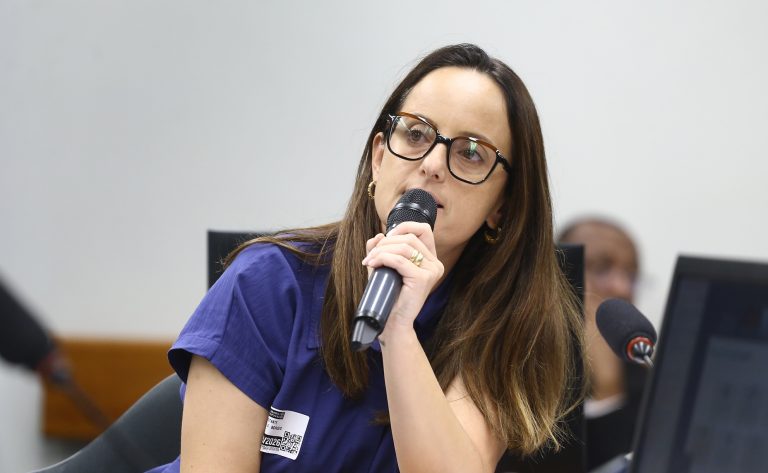
Among the measures proposed to combat illegal betting, Ferraz defended the creation of a competitive environment with fair taxation, approval of the legal framework to fight the illegal market (PL 4044/25), the creation of a distinguishing seal for licensed operators and stronger action by the Central Bank and the Council for Financial Activities Control (Coaf) in monitoring the financial system.
The debate also turned to Pix, with Ana Bárbara Teixeira, advisory board member of the International Gaming Association (Aigaming), highlighting the need to limit pirate operators’ access to the payment system.
She said: “The area where there are the most problems today is the financial system. It is how illegal betting operators are managing to access Pix,” while suggesting that regulated operators should have access to the Central Bank’s list of fraudsters to improve anti-money laundering controls.
The president of the Brazilian Association of Gaming and Lotteries (Abrajogo), Witoldo Hendrich Júnior, stressed the need for legal certainty. In his view, the growing number of proposals to increase taxes or restrict advertising discourages investment and pushes bettors towards illegal operators.
Witoldo Hendrich Júnior said: “Excessive taxation is pushing the player, and ultimately society, towards piracy.”
Technical obstacles were also discussed. Gianluca Fiorentini, head of inspection at the National Telecommunications Agency (Anatel), outlined the technical difficulties of blocking websites, explaining that the agency only acts in executing SPA orders and that its role remains limited.
He said: “Anatel does not have the factual or legal means to remove the content by itself. It does not have the competence to do so.”
Among the challenges mentioned by Fiorentini and Hendrich Júnior were the use of technologies that mask user location and the rapid turnover of pirate domains, which can change digital addresses within minutes to evade blocking measures.
At the close of the discussion, Julio Lopes said the commission was available to forward demands to the Central Bank and other bodies in an effort to improve the fight against organised crime financed through irregular betting.









