Skip to content
Menu
Menu

Brazil’s Finance and Sports ministries outline first-year progress of regulated “Bets” market at SBC Summit Rio

Officials said Brazil’s regulated betting market generated R$68bn in 2025 and outlined enforcement, AML controls and a national self-exclusion platform

Brazil’s Ministry of Finance and Ministry of Sports used a panel at SBC Summit Rio to present an update on the first year of the country’s regulated fixed-odds betting market, known locally as “Bets.” Daniele Correa Cardoso, Subsecretary for Prizes and Betting, and Giovanni Rocco, National Secretary for Sports Betting, appeared in a discussion moderated by André Gelfi, Director of the Brazilian Institute of Responsible Gaming, to share data and priorities for the next phase of oversight.

Officials framed the update around the transition to a fully operational regulatory framework, which they said entered into force on January 1, 2025, enabling authorised operation of the regulated sports betting market under Law 13,756 (approved in 2018). The session also highlighted the role of the Secretariat of Prizes and Betting (SPA-MF) within the Ministry of Finance—created in 2024—and the publication of rules covering authorisations, supervision, inspection, sanctions and consumer protection.

Market scale and visibility into operator activity

According to figures presented during the panel, Brazil’s “Bets” market generated R$68 billion in 2025 (reported as US$12.964 billion), with R$6 billion (US$1.144 billion) paid out in prizes to bettors. The speakers said regulation has given the government, for the first time, access to a clearer view of the market’s real size—alongside transaction volumes and operator ownership and management details, including partners and directors.

The authorities also stated that regulation made it possible to identify that 25 million Brazilians placed bets in 2025, representing roughly 11.83% of the country’s adult population.

AML, KYC and consumer protections

On integrity controls, the update referenced measures aimed at preventing money laundering, including database cross-checking and the blocking of suspicious transactions. The panel also cited an SPA partnership with the Central Bank, the creation of KYC rules, and requirements that include deposit limits and clearer communication of risk to bettors.

Cardoso also outlined SPA-MF’s organisational model, describing it as combining features of a regulator with the structure of a government secretariat. The entity includes a General Coordination for Regulation and a General Coordination for AML prevention, supported by three sub-secretariats: Authorisation, Supervision and Inspection, and Sanctioning Action—designed to enable oversight across multiple fronts of the market.

The government also reported agreements with the Federal Police and the Ministry of Justice to support information sharing and joint operations against illegal activity. Additional cooperation with the Ministry of Health and the Ministry of Sports was positioned as a way to protect public health and athlete integrity.

Actions against illegal operators

On enforcement, officials said that during 2025 the government shut down more than 25 websites, including IP blocking, suspending accounts with payment providers, and removing unauthorised advertising on social media. The campaign against illegal platforms was described as involving multiple government agencies.
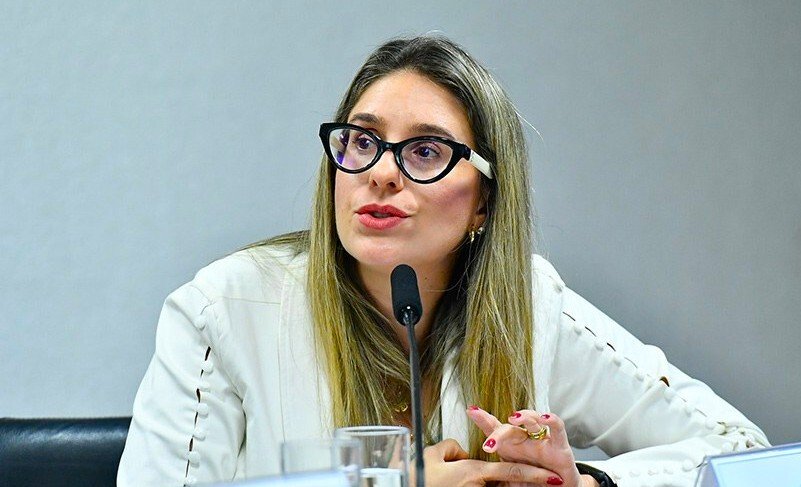
Daniele Correa Cardoso

Sponsorship and football funding

Rocco highlighted regulation’s impact on sports financing, pointing to football sponsorship as a visible channel. He said that by 2024, 19 of the 20 Serie A clubs already had betting sponsorship, and that in 2025 the market matured with more structured funding flows that supported professional clubs’ financial stability.

Figures referenced in the panel indicated Serie A clubs received around R$1.2 million in betting sponsorships in 2024, representing roughly 35% of total football sponsorship income.

Bettor protection and responsible gaming focus

The discussion also addressed mental health and responsible gaming, including the development of public communication campaigns with the Ministry of Health and requirements for licensed operators to monitor player behaviour for risk signals.

Officials said Brazil has implemented a national self-exclusion platform that allows bettors to voluntarily remove themselves from betting activity, offering individual control over participation. According to the panel’s description, the national self-exclusion tool enables bettors to self-exclude simultaneously across all authorised platforms.

The regulatory framework also includes a total ban on access and advertising directed at children and adolescents, with operators required to deploy age-verification mechanisms to prevent participation by under-18s. The authorities indicated enforcement of these protections will intensify in 2026, with non-compliance potentially leading to administrative penalties and licence suspension.

2026 priorities and channelisation target

Looking ahead, the government said the priority for 2026 is market sustainability: ensuring licensed operators comply with requirements and intensifying action against illegal betting. One key regulatory challenge flagged for early 2026 is implementing normative instructions around the joint liability of financial institutions.

Officials also projected that the regulated market could reach 90% of total betting volume by the end of 2026, positioning Brazil as a leading reference point for sports betting regulation in Latin America.

23 November 2026

Subscribe to our newsletter

More
Related Posts

Categories

Brazil’s Finance and Sports ministries outline first-year progress of regulated “Bets” market at SBC Summit Rio

Officials said Brazil’s regulated betting market generated R$68bn in 2025 and outlined enforcement, AML controls and a national self-exclusion platform

Brazil’s Ministry of Finance and Ministry of Sports used a panel at SBC Summit Rio to present an update on the first year of the country’s regulated fixed-odds betting market, known locally as “Bets.” Daniele Correa Cardoso, Subsecretary for Prizes and Betting, and Giovanni Rocco, National Secretary for Sports Betting, appeared in a discussion moderated by André Gelfi, Director of the Brazilian Institute of Responsible Gaming, to share data and priorities for the next phase of oversight.

Officials framed the update around the transition to a fully operational regulatory framework, which they said entered into force on January 1, 2025, enabling authorised operation of the regulated sports betting market under Law 13,756 (approved in 2018). The session also highlighted the role of the Secretariat of Prizes and Betting (SPA-MF) within the Ministry of Finance—created in 2024—and the publication of rules covering authorisations, supervision, inspection, sanctions and consumer protection.

Market scale and visibility into operator activity

According to figures presented during the panel, Brazil’s “Bets” market generated R$68 billion in 2025 (reported as US$12.964 billion), with R$6 billion (US$1.144 billion) paid out in prizes to bettors. The speakers said regulation has given the government, for the first time, access to a clearer view of the market’s real size—alongside transaction volumes and operator ownership and management details, including partners and directors.

The authorities also stated that regulation made it possible to identify that 25 million Brazilians placed bets in 2025, representing roughly 11.83% of the country’s adult population.

AML, KYC and consumer protections

On integrity controls, the update referenced measures aimed at preventing money laundering, including database cross-checking and the blocking of suspicious transactions. The panel also cited an SPA partnership with the Central Bank, the creation of KYC rules, and requirements that include deposit limits and clearer communication of risk to bettors.

Cardoso also outlined SPA-MF’s organisational model, describing it as combining features of a regulator with the structure of a government secretariat. The entity includes a General Coordination for Regulation and a General Coordination for AML prevention, supported by three sub-secretariats: Authorisation, Supervision and Inspection, and Sanctioning Action—designed to enable oversight across multiple fronts of the market.

The government also reported agreements with the Federal Police and the Ministry of Justice to support information sharing and joint operations against illegal activity. Additional cooperation with the Ministry of Health and the Ministry of Sports was positioned as a way to protect public health and athlete integrity.

Actions against illegal operators

On enforcement, officials said that during 2025 the government shut down more than 25 websites, including IP blocking, suspending accounts with payment providers, and removing unauthorised advertising on social media. The campaign against illegal platforms was described as involving multiple government agencies.

Daniele Correa Cardoso

Sponsorship and football funding

Rocco highlighted regulation’s impact on sports financing, pointing to football sponsorship as a visible channel. He said that by 2024, 19 of the 20 Serie A clubs already had betting sponsorship, and that in 2025 the market matured with more structured funding flows that supported professional clubs’ financial stability.

Figures referenced in the panel indicated Serie A clubs received around R$1.2 million in betting sponsorships in 2024, representing roughly 35% of total football sponsorship income.

Bettor protection and responsible gaming focus

The discussion also addressed mental health and responsible gaming, including the development of public communication campaigns with the Ministry of Health and requirements for licensed operators to monitor player behaviour for risk signals.

Officials said Brazil has implemented a national self-exclusion platform that allows bettors to voluntarily remove themselves from betting activity, offering individual control over participation. According to the panel’s description, the national self-exclusion tool enables bettors to self-exclude simultaneously across all authorised platforms.

The regulatory framework also includes a total ban on access and advertising directed at children and adolescents, with operators required to deploy age-verification mechanisms to prevent participation by under-18s. The authorities indicated enforcement of these protections will intensify in 2026, with non-compliance potentially leading to administrative penalties and licence suspension.

2026 priorities and channelisation target

Looking ahead, the government said the priority for 2026 is market sustainability: ensuring licensed operators comply with requirements and intensifying action against illegal betting. One key regulatory challenge flagged for early 2026 is implementing normative instructions around the joint liability of financial institutions.

Officials also projected that the regulated market could reach 90% of total betting volume by the end of 2026, positioning Brazil as a leading reference point for sports betting regulation in Latin America.

LinkedIn
Share
Youtube
X (Twitter)