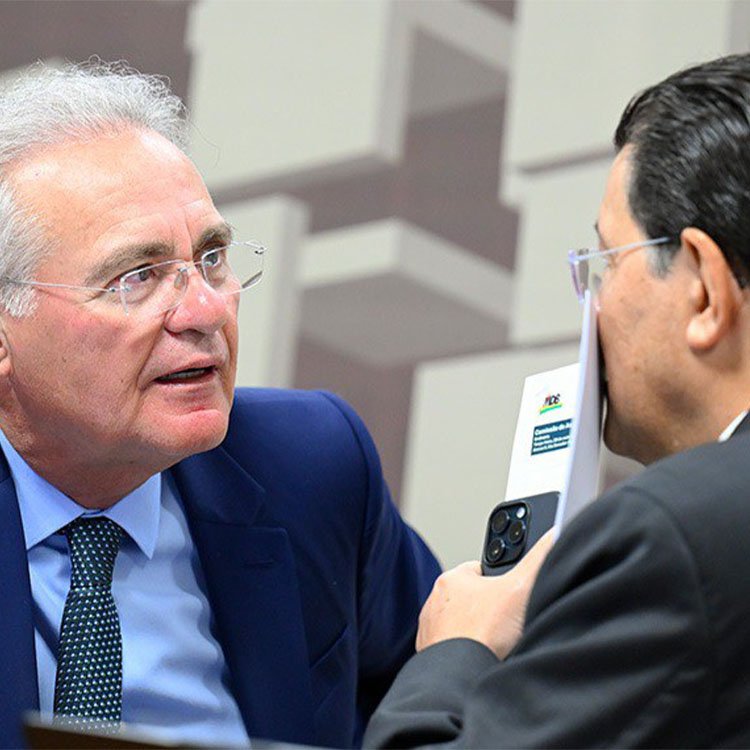
Lack of parliamentary support forces postponement of key vote on doubling taxation for online betting operators
The Brazilian Senate’s Committee on Economic Affairs (CAE) has cancelled its Tuesday (18) meeting, where lawmakers were scheduled to vote on PL 5.473/2025, a bill that would double taxation on online betting operators (Bets) from 12% to 24% and raise the CSLL rate for fintechs and other financial institutions.
The proposal, introduced by Senator Renan Calheiros, is linked to PL 1.087/2025, which exempts income tax for individuals earning up to R$ 5,000 per month. To date, senators have submitted 172 amendments, with Senator Eduardo Braga acting as the bill’s rapporteur.
Lack of votes forces strategic delay
The session was cancelled after Hugo Motta, President of the Chamber of Deputies, indicated he would not put the proposal to a vote due to insufficient parliamentary support. As Renan Calheiros explained: “I moved it to next Tuesday. The Chamber informed President Davi that it will not vote on the bill.”
Following communication between Senate President Davi Alcolumbre and Calheiros, it became clear that advancing the proposal in the Senate without the Chamber’s support would be ineffective. The vote is now expected to be rescheduled for next week.
Ongoing negotiations with Finance Ministry
During the postponement, negotiations will continue in an attempt to persuade the Chamber to revisit its position. Rapporteur Eduardo Braga has been in talks with the Ministry of Finance and senators resistant to the new tax rates but has opted not to present his additional report until a firm voting date is confirmed.
Braga has emphasised that approval should be tied to government measures targeting illegal betting operators, warning that licensed companies could otherwise migrate into the grey market.
Resistance among Senate blocs
Senators from the PP and PL parties have also expressed opposition, arguing that the tax increase could harm innovation and drive legal operators out of the market. The proposal faces further challenges, including 21 additional amendments, requests for public hearings, and pressure from Brazil’s financial sector.