Brazil’s Senate passes bill limiting sports betting advertising to protect youth, banning celebrity endorsements and setting strict time slots
The Brazilian Senate has approved a bill introducing sweeping restrictions on the advertising of fixed-odds and sports betting—popularly referred to as “Bets” in Brazil. Passed on May 28, the bill (PL 2.985/2023) prohibits endorsements by athletes, celebrities, influencers, or public officials, and now moves to the House of Representatives for further debate.
The initiative, backed by both government and opposition senators, is designed to mitigate the negative impact of betting advertising, particularly on minors and vulnerable populations. While the original bill sought a complete ban on betting ads, the revised version—authored by Senator Carlos Portinho—proposes robust limitations within the framework of Law 14,790 of 2023, which regulates sports betting.

“This proposal aims to find a way not to completely ban sports betting advertising, but to regulate sports betting advertising, greatly reducing the reach it has towards young people and children, who in fact are not nor should not be the target audience of any betting and ambush marketing,” said Senator Portinho during his address to the chamber.
Senator Styvenson Valentim, who introduced the original bill, expressed grave concerns over the public health risks posed by problem gambling. He highlighted the financial exploitation of Brazil’s poorest sectors by misleading advertising.
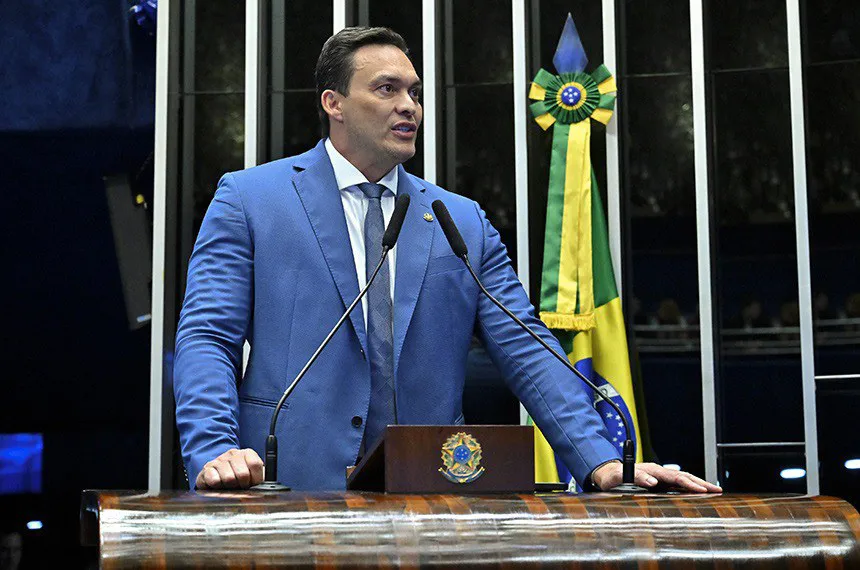
“There are people who fall into degradation, losing their property, get psychologically ill, and are even victims of suicide or targeted by money lenders,” he stated. “They are people who believe that they are going to create a patrimony… that sad illusion is created by an influencer… with advertisements featuring an imported car, an expensive watch… that people are going to have that same standard of living gambling on Bets.”
A 2024 survey by the DataSenado Institute found that 13% of Brazilians aged 16 and over—around 22.13 million people—had engaged in sports betting in the previous 30 days. The majority of bettors (52%) wager amounts equivalent to up to two monthly minimum wages.
Key Restrictions in the Bill:
- Ad Bans: Prohibits betting ads during live sports broadcasts and bans real-time odds on TV unless viewed via regulated platforms.
- Endorsements: Bans use of athletes, artists, influencers, and public officials—except for retired athletes five years post-retirement.
- Content Restrictions: Ads cannot portray betting as aspirational, a source of income, or lifestyle-enhancing. They also may not include mascots, animations, or AI elements appealing to children.
- Direct Marketing: Prohibits unsolicited notifications or messages to users.
- Sponsorship Rules: Referees and officials may not receive direct or indirect sponsorships from betting operators.
What Is Allowed:
- Time-Specific Broadcasting: Ads permitted from 7:30 p.m. to midnight on TV, and during specific hours on radio and digital media.
- Club & Operator Channels: Ads allowed via official digital platforms, provided they are age-gated.
- Limited Sponsorship Visibility: Logos and branding may appear during pre- and post-match segments, and on authenticated accounts for users over 18.
- Sports Apparel: Sponsorship logos allowed on team apparel, excluding under-18 team kits.
Public Health Messaging:
All betting advertisements must include a clearly visible warning:
“Betting causes addiction and harm to you and your family.”
Senator Portinho explained the rationale: “The effectiveness of measures restricting advertising as a tool for protecting public health is supported by concrete evidence,” referencing Brazil’s successful anti-smoking campaign which led to a 40% reduction in smoking after similar advertising bans.
The new legislation marks a significant shift in Brazil’s gambling policy, signaling a more cautious and health-focused regulatory approach as the country continues to expand its sports betting market.